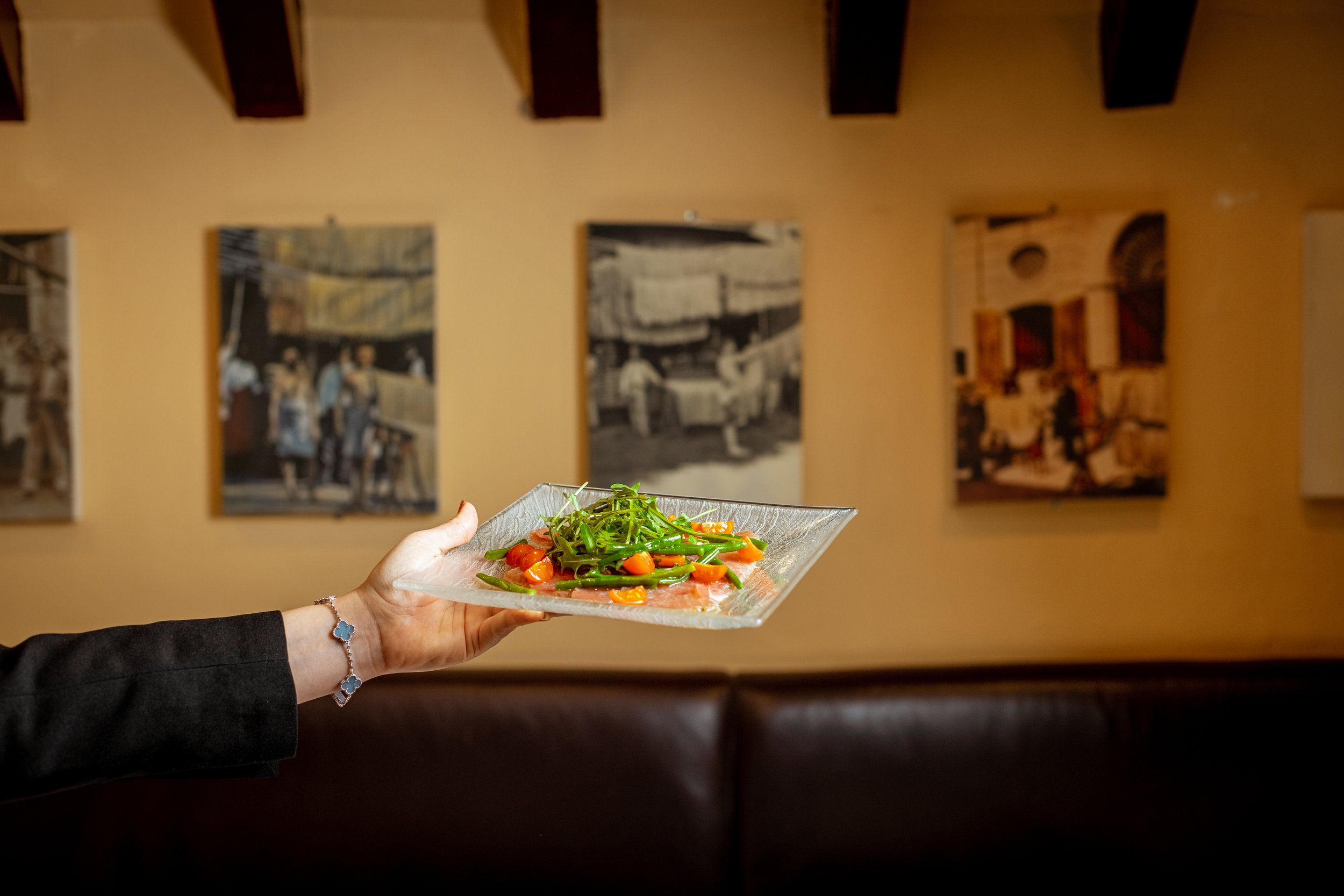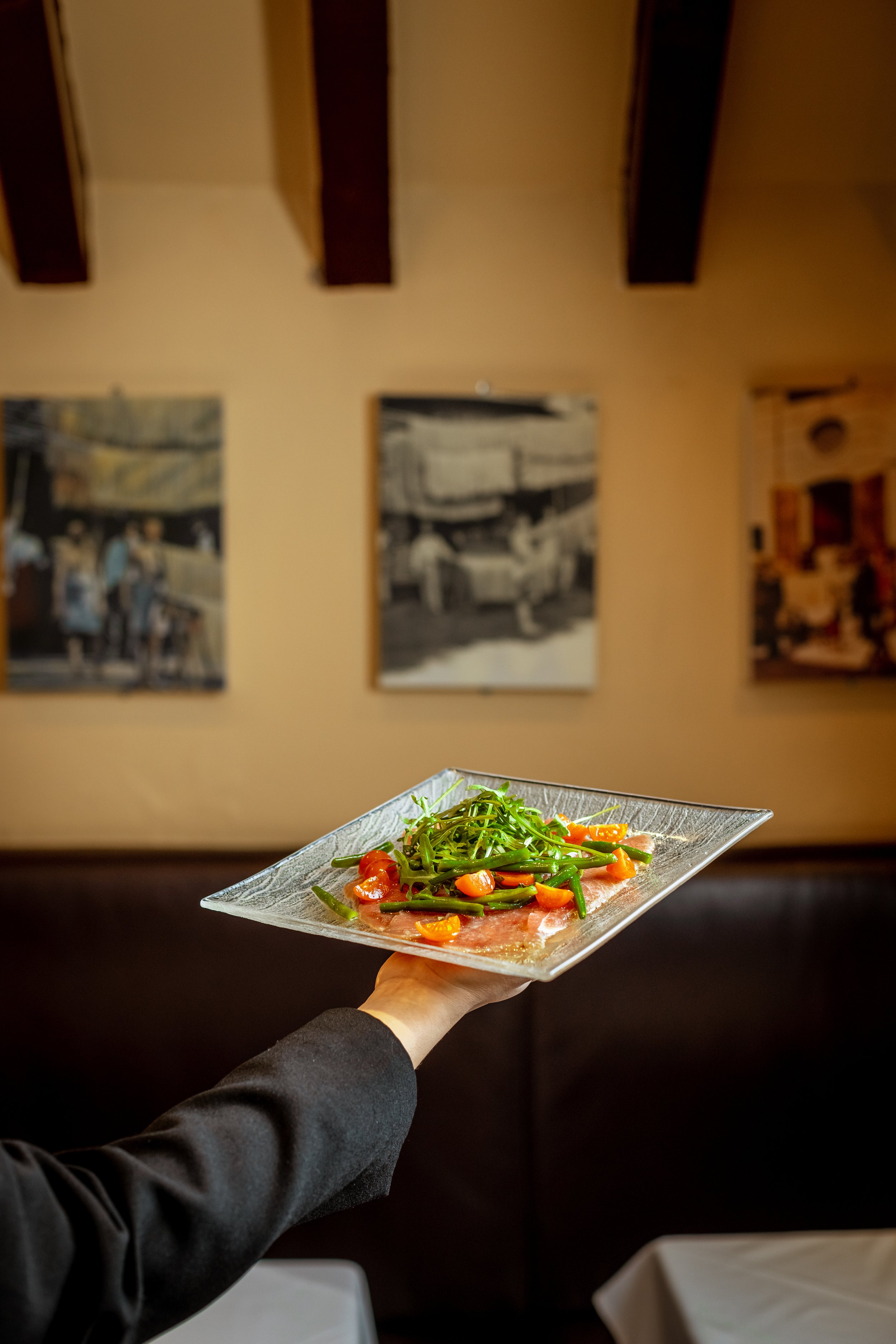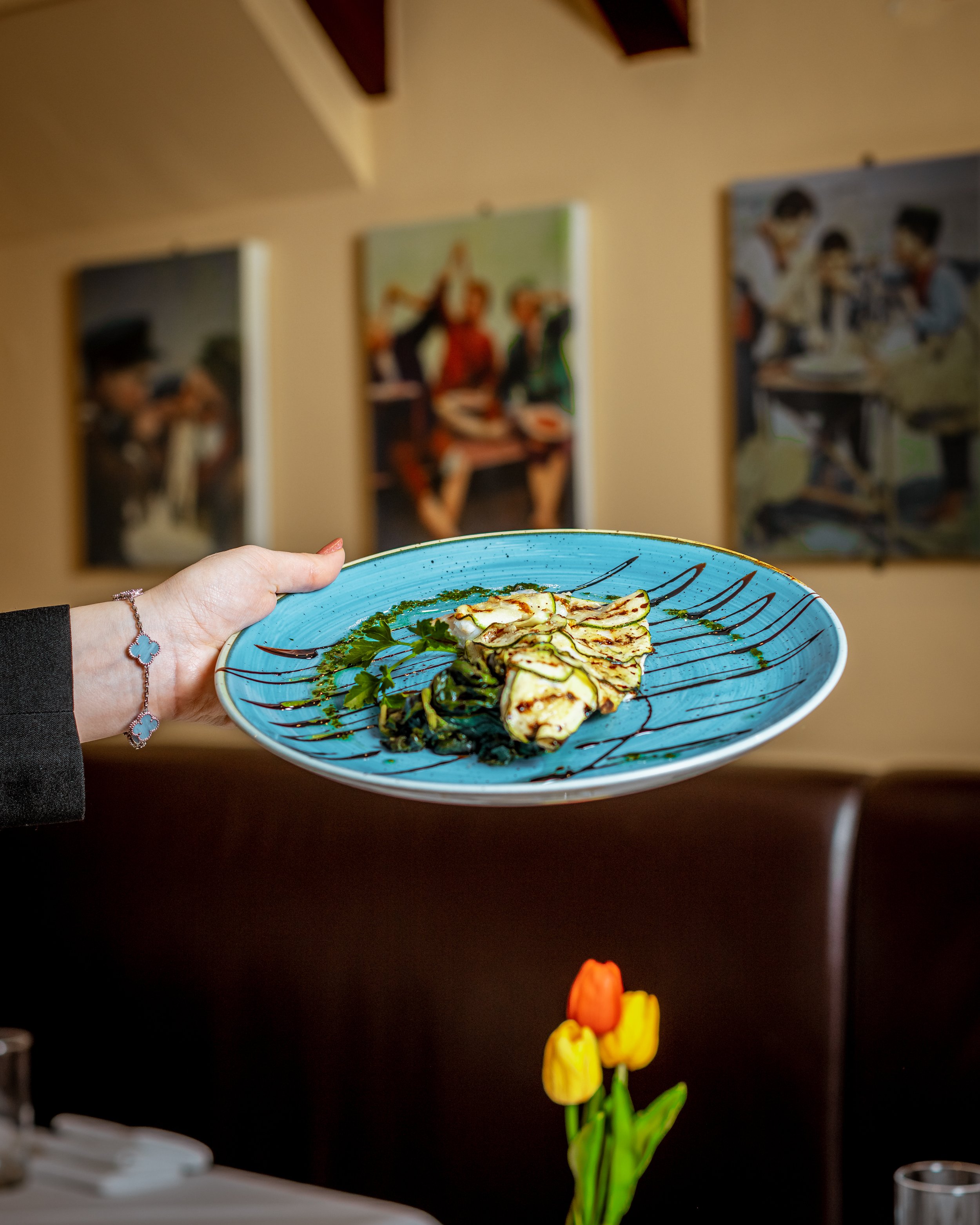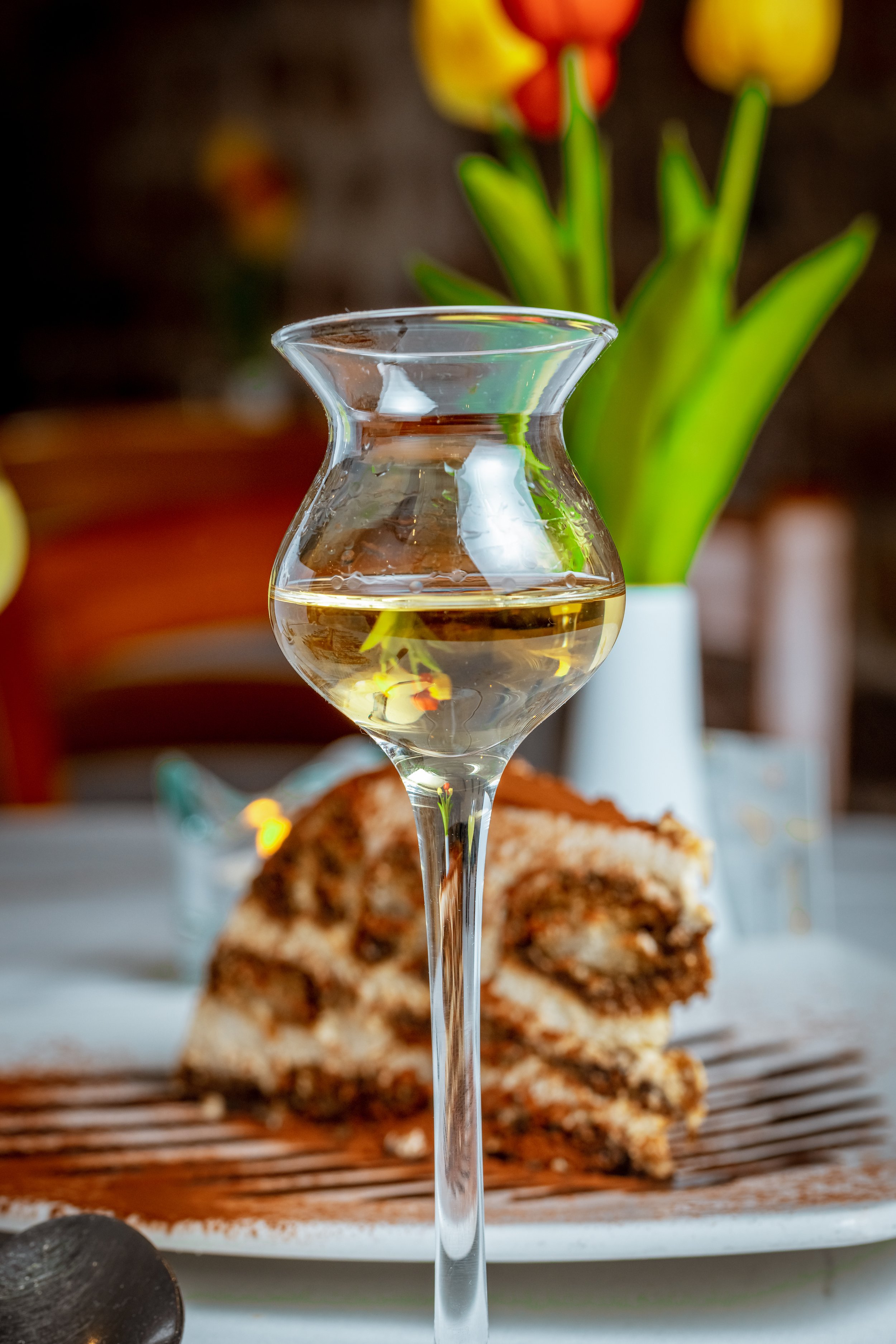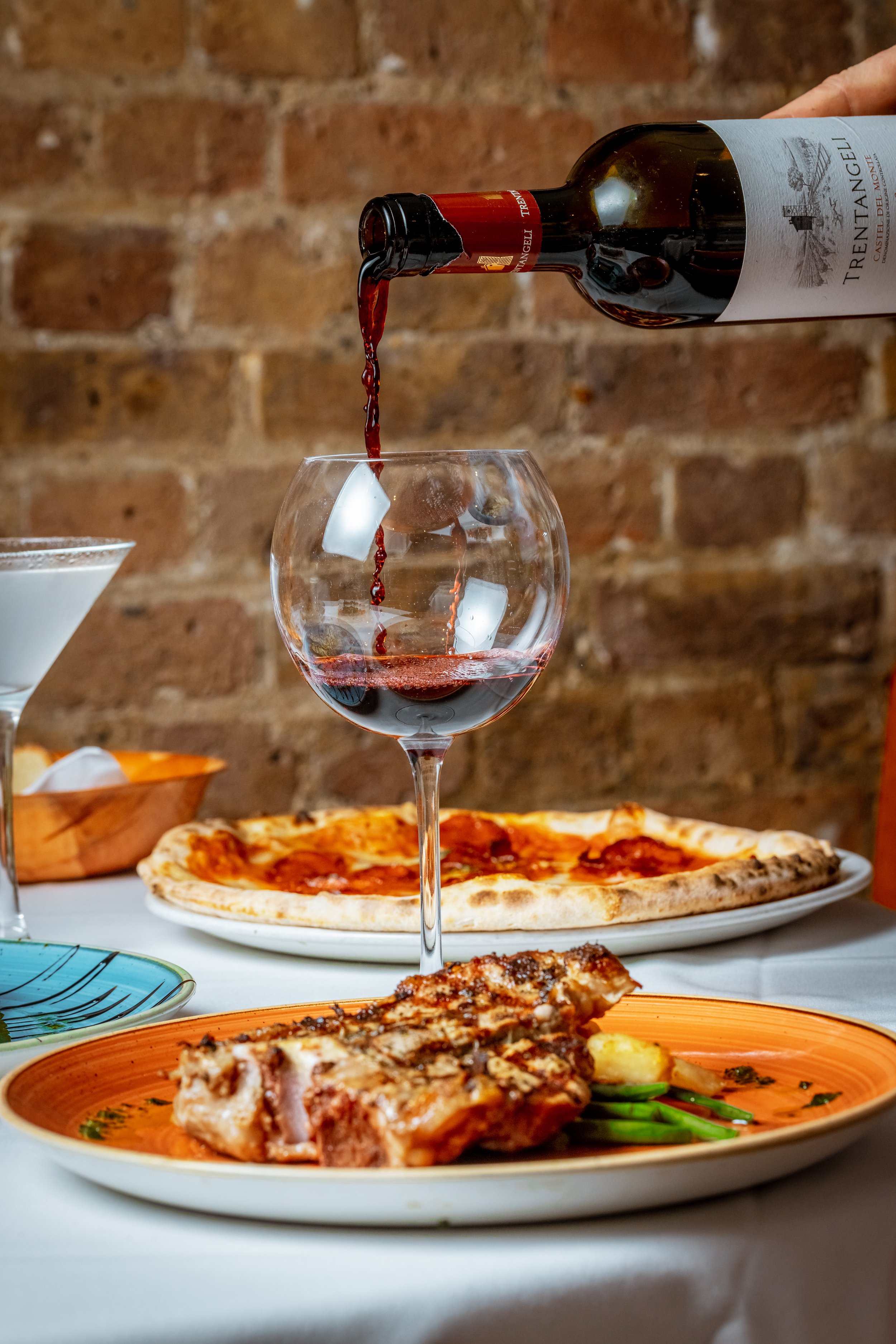
welcome to Giro d’Italia, our culinary tour through Italy’s regions

Sardegna
STAGE 19 Final: 25th June 2026 to 9 July 2026
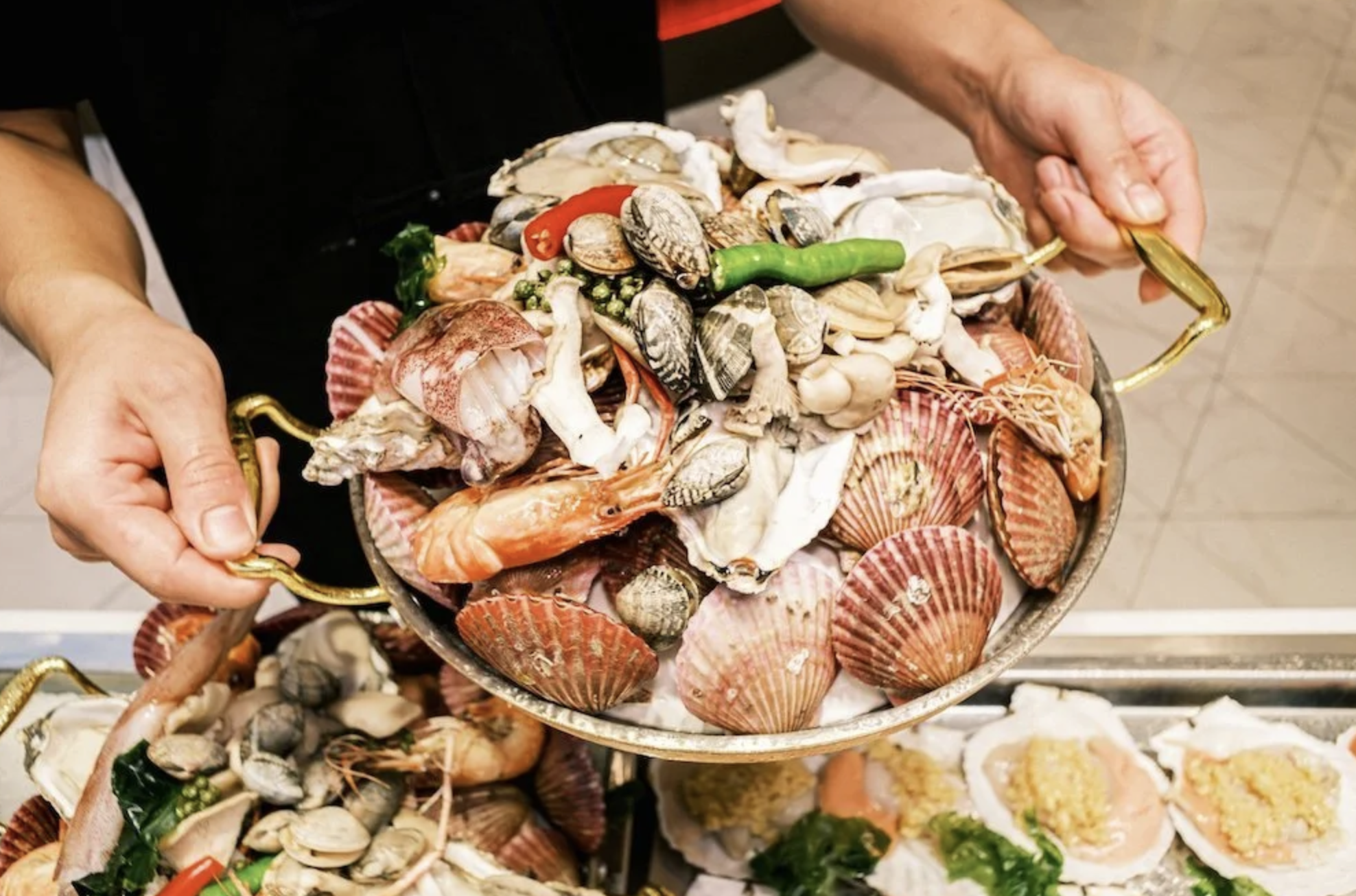
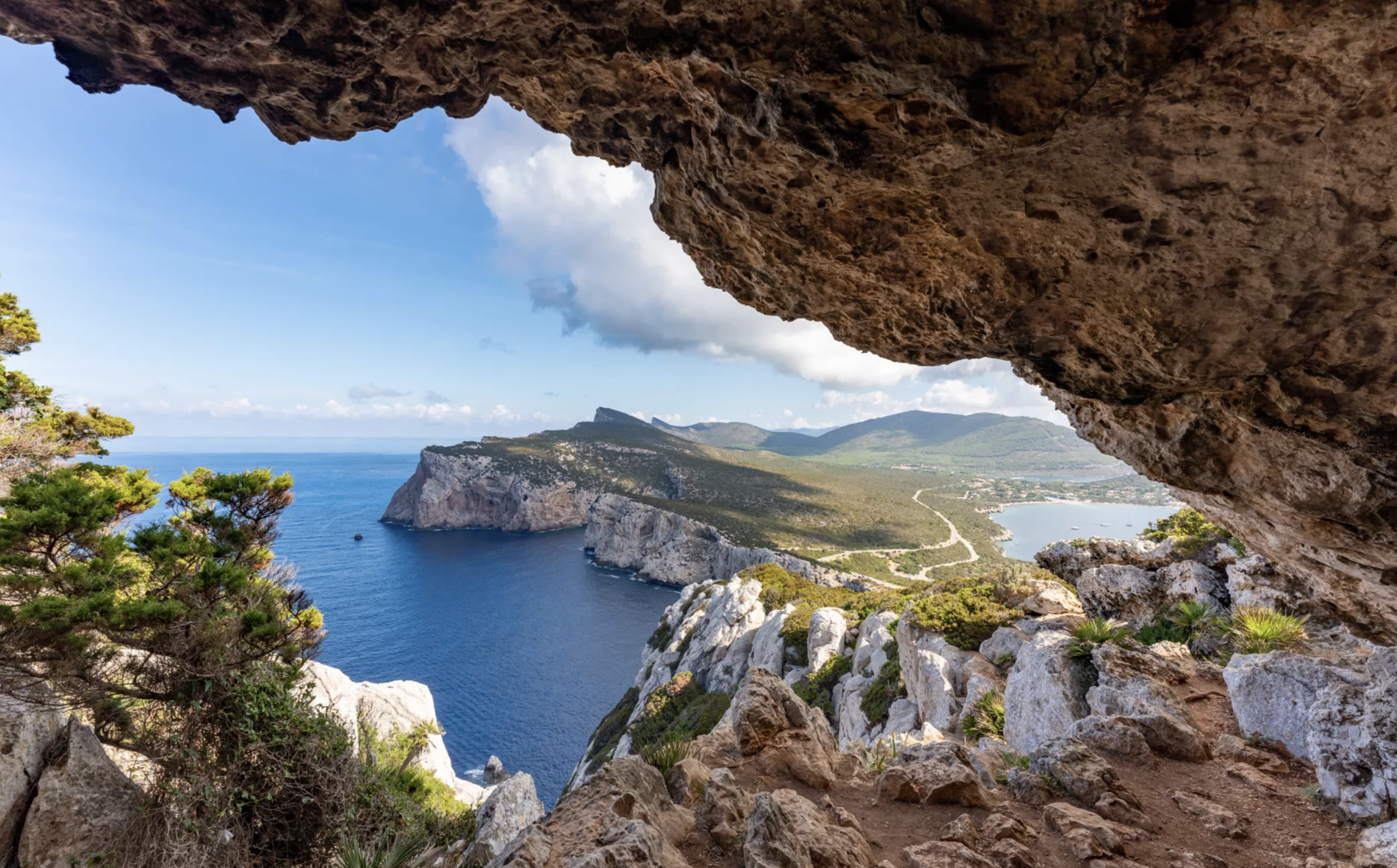
For Stage 19 of our Giro d'Italia, we arrive in Sardinia — an island that feels almost like a country of its own.
Separated from mainland Italy by the Mediterranean Sea, Sardinia has developed a unique culinary identity shaped by shepherds, fishermen and centuries of tradition.
Life here has always been closely connected to the land and the sea. As a result, Sardinian cuisine is simple, authentic and deeply rooted in local ingredients.
The island is famous for its sheep farming, producing some of Italy's finest pecorino cheeses. Traditional breads, handmade pastas, slow-cooked meats and fresh seafood all play an important role in everyday cooking.
Unlike many regions, Sardinia's food remains remarkably unchanged by modern trends. Many recipes have been passed down through generations and are still prepared much as they were centuries ago.
The wines are equally distinctive, with varieties such as Cannonau and Vermentino becoming symbols of the island's character — bold, expressive and shaped by the Mediterranean climate.
This stage celebrates Sardinia's rich traditions, rugged landscapes and unmistakable flavours.
Sicilia
STAGE 18: 11 June 2026
For Stage 18 of our Giro d'Italia, we arrive in Sicily — Italy's largest island and one of its most fascinating culinary regions.
Sicilian cuisine tells the story of centuries of history. Greek, Arab, Norman and Spanish influences have all left their mark, creating a cuisine unlike anywhere else in Italy.
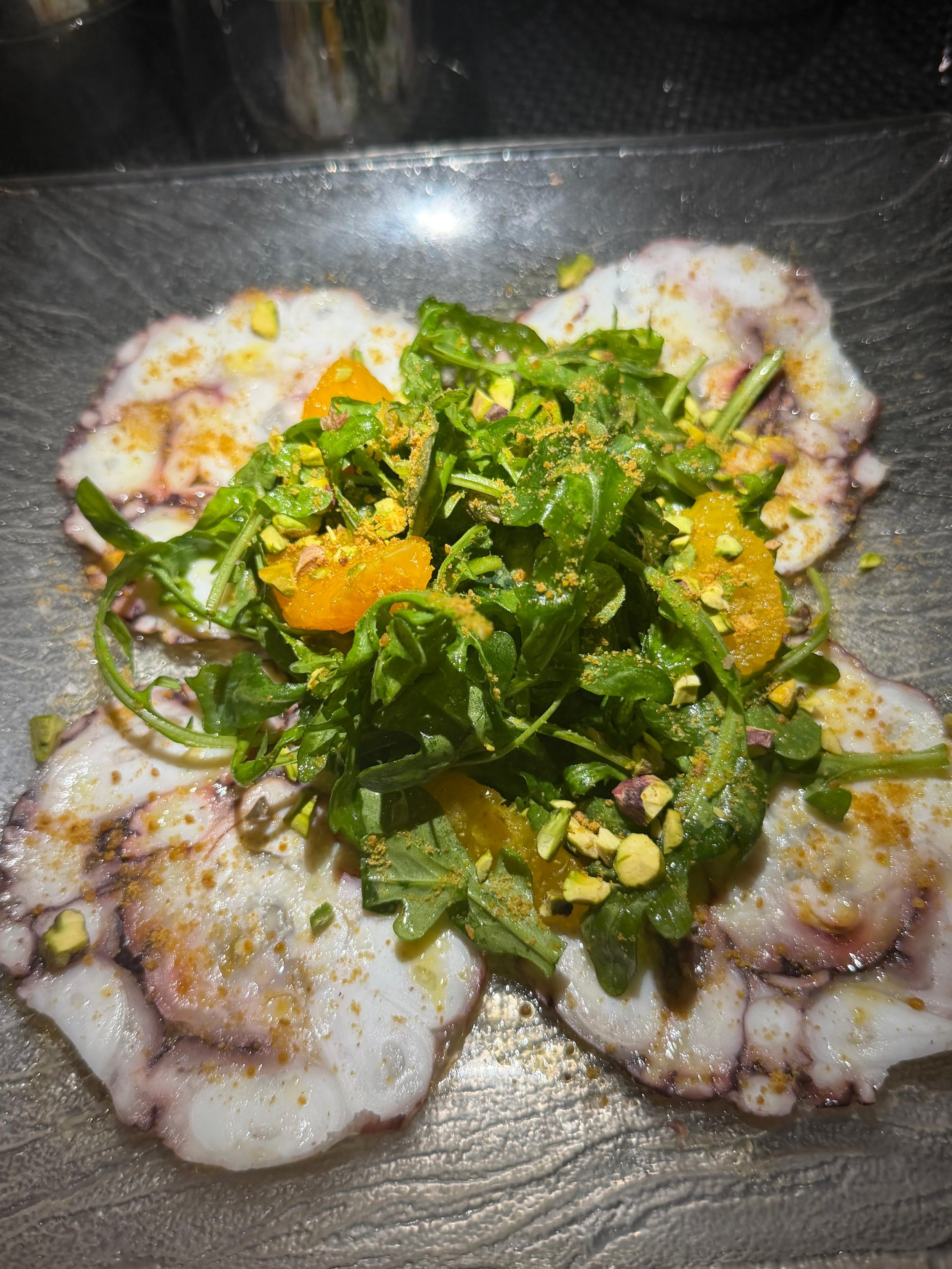
Here, the sea is never far away, citrus trees line the landscape, and ingredients such as pistachios, almonds, capers and seafood are part of everyday life.
One of the most distinctive aspects of Sicilian cooking is its balance of flavours. Sweet and savoury often meet on the same plate. Raisins, citrus, nuts and seafood are combined in ways that feel uniquely Sicilian.
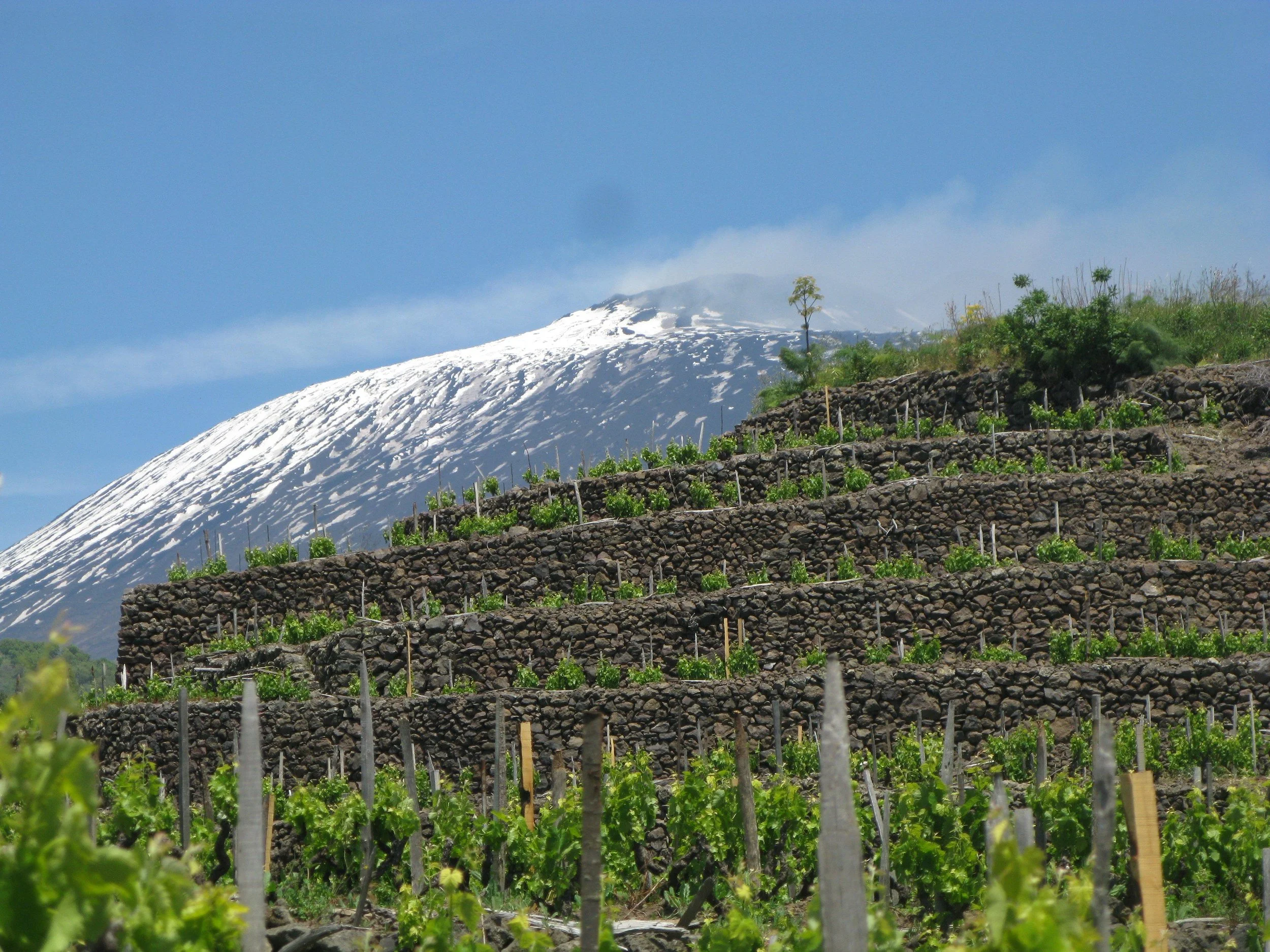
The island is also home to some of Italy's most remarkable wines. On the slopes of Mount Etna, vines grow in volcanic soil, producing elegant wines with freshness, minerality and character.
Our menu for this stage celebrates those traditions — from octopus dressed with orange and pistachios, to calamarata with squid and bottarga, almond-crusted tuna, and the iconic cannolo filled with sheep's ricotta.
This week is a celebration of Sicily's vibrant colours, coastal flavours and rich culinary heritage.
Calabria
STAGE 17: 28th May 2026
For Stage 17 of our Giro d’Italia, we arrive in Calabria, the toe of Italy's boot and one of the country's most distinctive culinary regions.
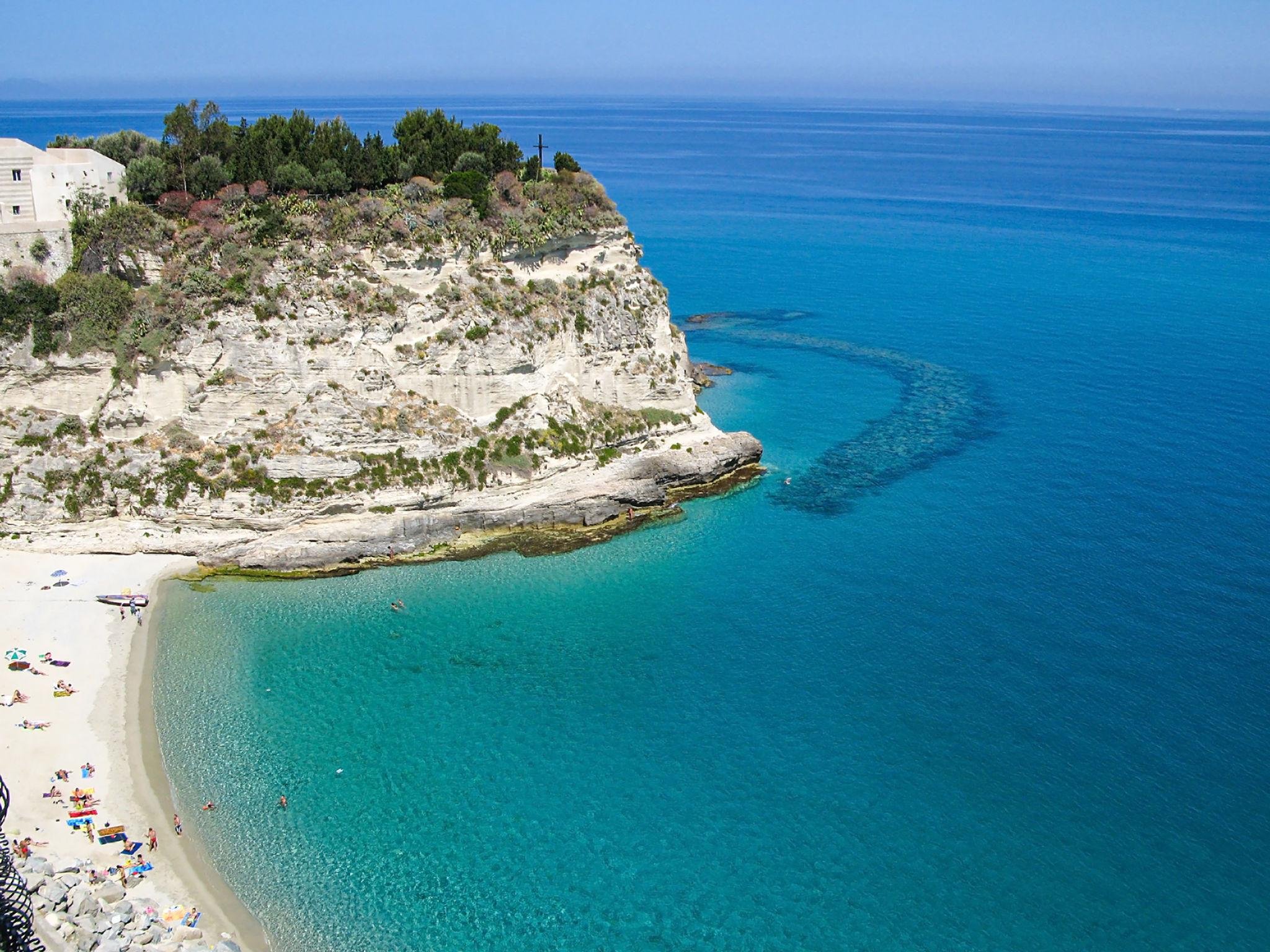
Surrounded by both the Tyrrhenian and Ionian Seas, Calabria combines fresh seafood with robust mountain cooking. The region is famous for its bold flavours, generous use of chilli, cured meats and ingredients that reflect both its coastal and rural traditions.
If there is one ingredient most associated with Calabria, it is 'nduja — the region's famous spicy spreadable salami that has become popular throughout Italy and beyond. But Calabria is much more than heat. It is also the home of exceptional swordfish, mountain goat dishes, pecorino cheeses and some of Italy's finest citrus fruits, including its famous clementines.
The cuisine is honest and full of character, shaped by generations of fishermen, farmers and shepherds.
Our menu for this stage celebrates those traditions.
We begin with carpaccio di pesce spada, thinly sliced swordfish served with bruschetta topped with curly endive.
For pasta, maccaruni calabresi served with goat ragù, cardoncelli mushrooms and spicy pecorino — a dish deeply rooted in the region's inland cooking traditions.
From the coast comes pesce spada alla ghiotta, swordfish cooked with tomatoes, olives, capers and a touch of 'nduja.
For the main course, stufato di capra, a slow-cooked goat stew in a spicy aromatic sauce served with potatoes and peppers.
Our pizza combines several iconic Calabrian flavours, including 'nduja, spicy pecorino and pork neck.
To finish, a Calabrian twist on a classic — clementine tiramisù with white chocolate chips.
The wines this week come from Calabria too.
Gravello (Librandi) is one of Calabria's most celebrated red wines, blending Gaglioppo and Cabernet Sauvignon to create a rich, velvety wine with depth and character.
Alongside it, Eteso (Librandi) is made from 100% Mantonico, offering notes of tropical fruit, honey and almonds balanced by fresh acidity.
Basilicata
STAGE 16: 14 May 2026
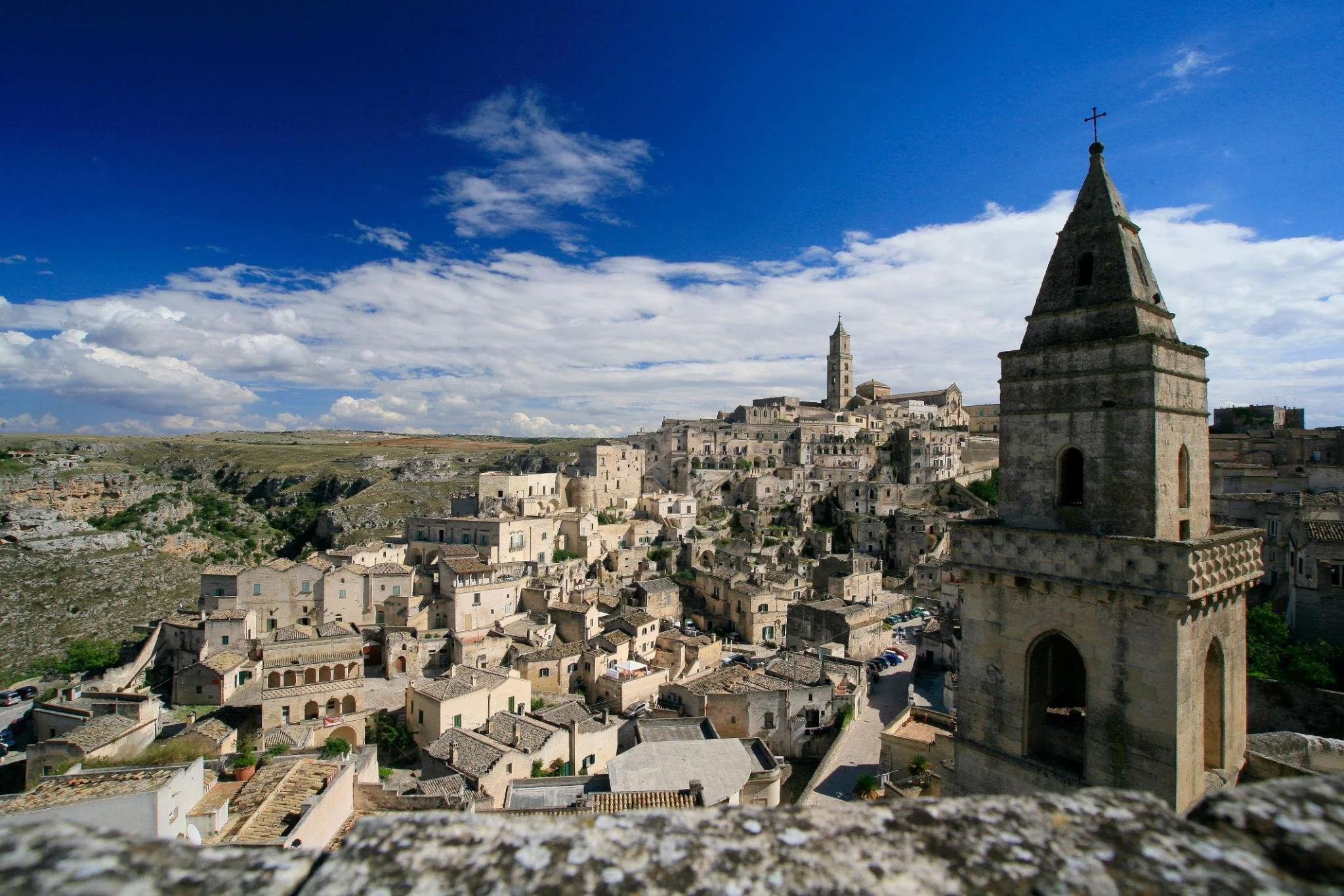
For Stage 16 of our Giro d’Italia, we arrive in Basilicata — one of Italy’s most rustic and deeply traditional regions.
Tucked between Campania and Puglia, Basilicata is a land of mountains, small villages and strong food traditions shaped by farming and shepherd life. The cuisine here is simple, robust and full of flavour, built around lamb, pork, legumes, pecorino, handmade pasta and slow cooking.
This is a region where very little goes to waste.
Recipes are practical, generous and rooted in the countryside.
Our menu for this stage reflects those traditions.
We begin with Antipasto alla Lucana, a rustic spread of cured meats, olives, spicy pecorino and pettole — small fried dough bites typical of southern Italy.
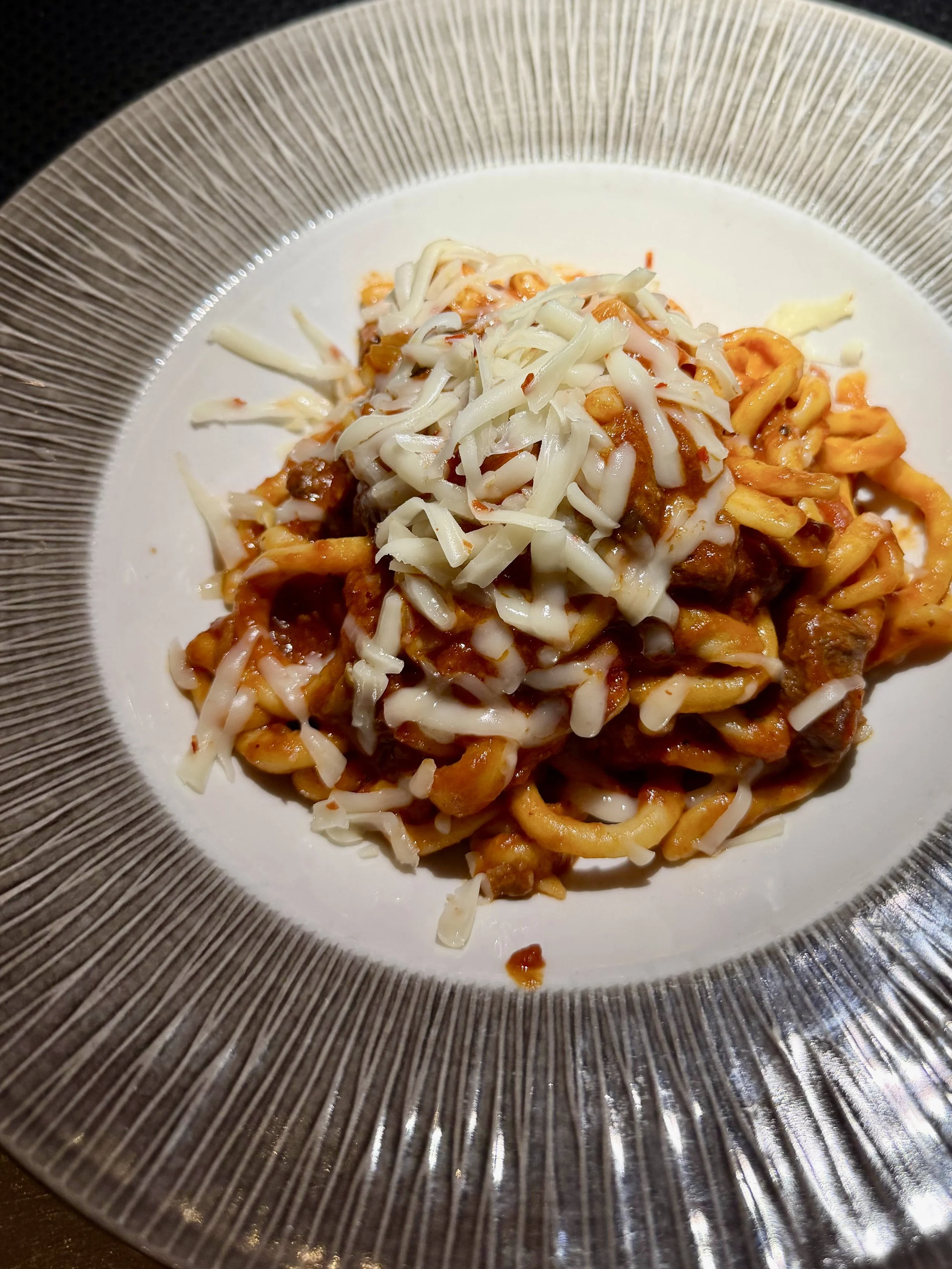
For pasta, lagane with mixed ragù of beef, lamb and pork, finished with pecorino shavings — a dish that reflects the hearty cooking of the region.
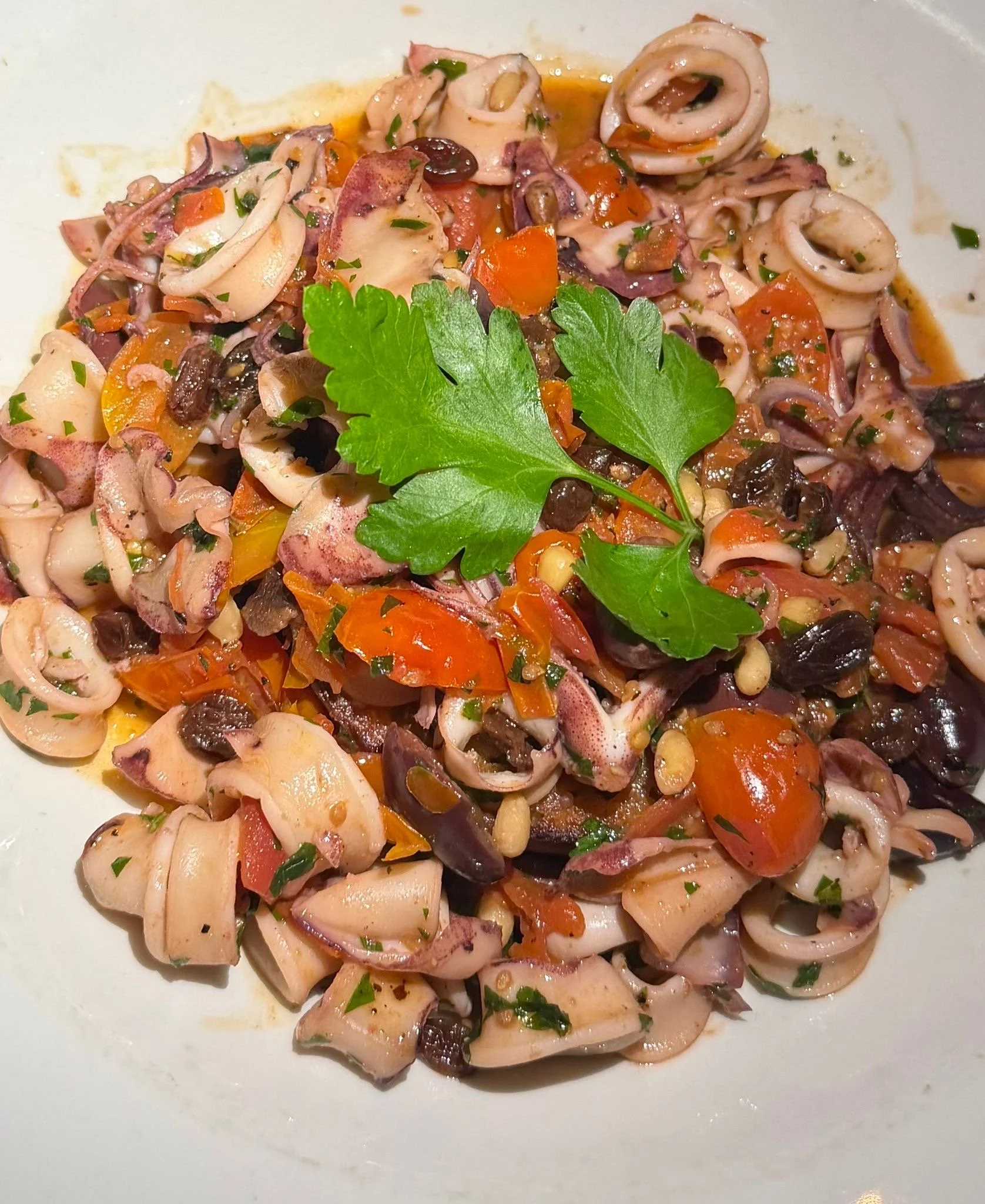
From the sea, calamaretti all’uva, small squid cooked with cherry tomatoes, raisins, pine nuts, olives and white wine — combining sweet and savoury flavours often found in southern Italian cooking.
For the main course, slow-cooked lamb and potatoes with cime di rapa, simple and comforting.
Our pizza features mozzarella, sun-dried tomatoes, mushrooms, pork salami and pecorino — bold flavours typical of Basilicata.
To finish, sporcamuss, warm puff pastry filled with diplomatic cream and black cherries.
The wines this week come from Basilicata as well.
Il Sigillo — Aglianico del Vulture is one of the region’s most important red wines — deep, elegant and complex, with notes of dark fruit, spice and herbs.
Alongside it, Il Preliminare Bianco offers fresh fruit, floral aromas and gentle minerality, pairing beautifully with seafood and lighter dishes.
Stage 16 is Basilicata at its best —
rustic, generous and deeply connected to the land.
Puglia
STAGE 15: 7th May 2026
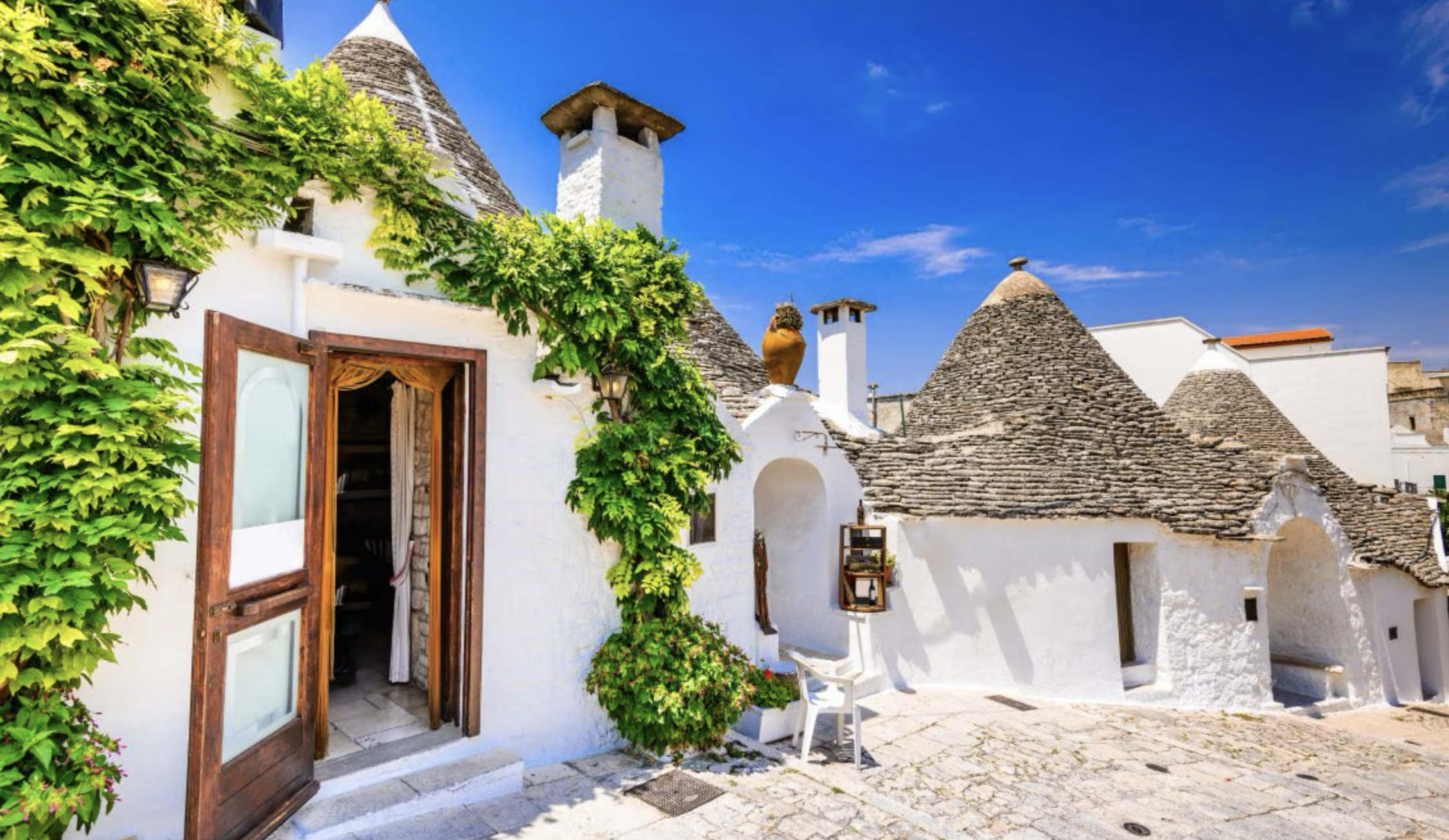
For Stage 15 of our Giro d’Italia, we arrive in Apulia — known in Italy as Puglia.
Stretching along the Adriatic and Ionian seas, Puglia is a region shaped by sun, olive trees, fishing towns and simple cooking traditions passed down through generations.
The cuisine here is humble in the best possible way.
A few ingredients, used properly.
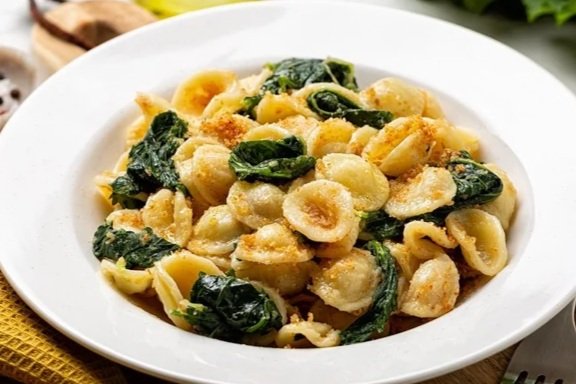
This is the land of orecchiette pasta, burrata, olive oil, octopus, grilled meats and vegetables cooked with garlic, chilli and breadcrumbs. Food designed to be shared at long tables, often close to the sea.
Our menu for this stage reflects those flavours.
We begin with polpo e patate alla pignata, slow-cooked octopus and potatoes in spicy tomato sauce with garlic croutons.
For pasta, one of the region’s most iconic dishes: orecchiette with cima di rapa, sausage and chilli — simple, bold and unmistakably Pugliese.
From the sea, frittura mista di pesce, lightly fried mixed seafood, a classic along the coast.
For meat, involtini di maiale, rolled pork filled with cheese, wrapped in pancetta and served with spicy broccoli rape.
Our pizza celebrates some of Puglia’s best-known ingredients — burrata, capocollo, olives and sweet cherry tomatoes.
To finish, Rosata di mandorle di Altamura, an almond cake served with pistachio ice cream.
This week’s wines come from Puglia too.
Negroamaro — rich, warm and full-bodied, with soft spice and dark fruit notes.
Bocca di Lupo Bianca — fresh and aromatic, blending Chardonnay and Fiano with citrus and floral notes.
Campania!!
STAGE 14: 23d April 2026
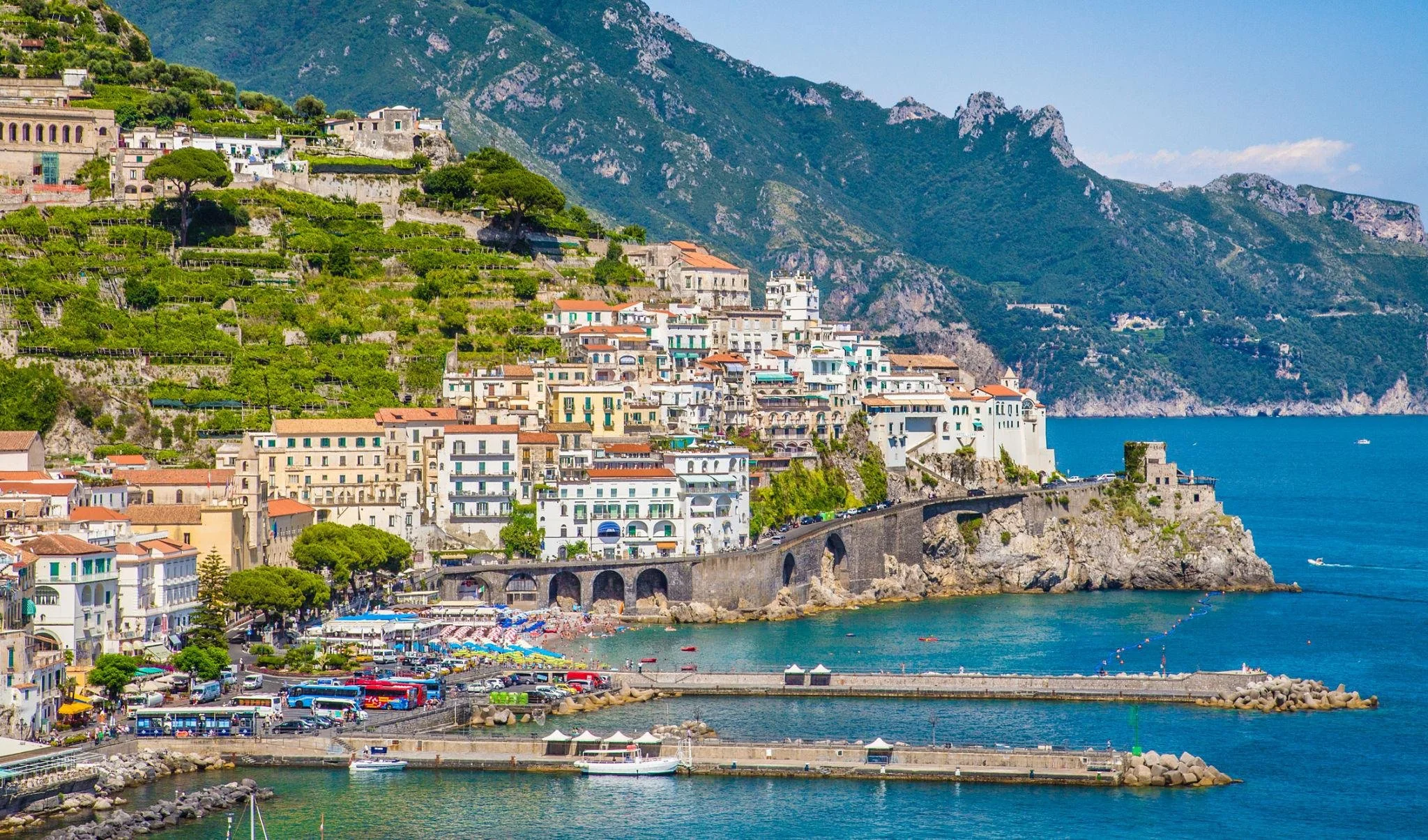
For Stage 14 of our Giro d’Italia, we arrive in Campania — the region of Naples, the Amalfi Coast, and some of Italy’s most loved food traditions.
Campania is where Sarracino was born — where our family is from, and where many of these recipes come from.
This is the food we grew up with.
The flavours we know best.
Simple, generous, and made the way it’s always been done.
Campania is about flavour, simplicity, and instinct.
Cooking here is not complicated — it’s about great ingredients, cooked quickly and confidently, letting everything speak for itself.
This is the home of buffalo mozzarella, tomatoes grown in volcanic soil, fresh pasta and seafood dishes cooked with just a few elements — garlic, olive oil, herbs and time.
The cuisine moves naturally between land and sea, often combining both on the same plate.
Our menu for this stage reflects that balance.
We begin with a rustic Neapolitan antipasto, a mix of traditional flavours that change daily.
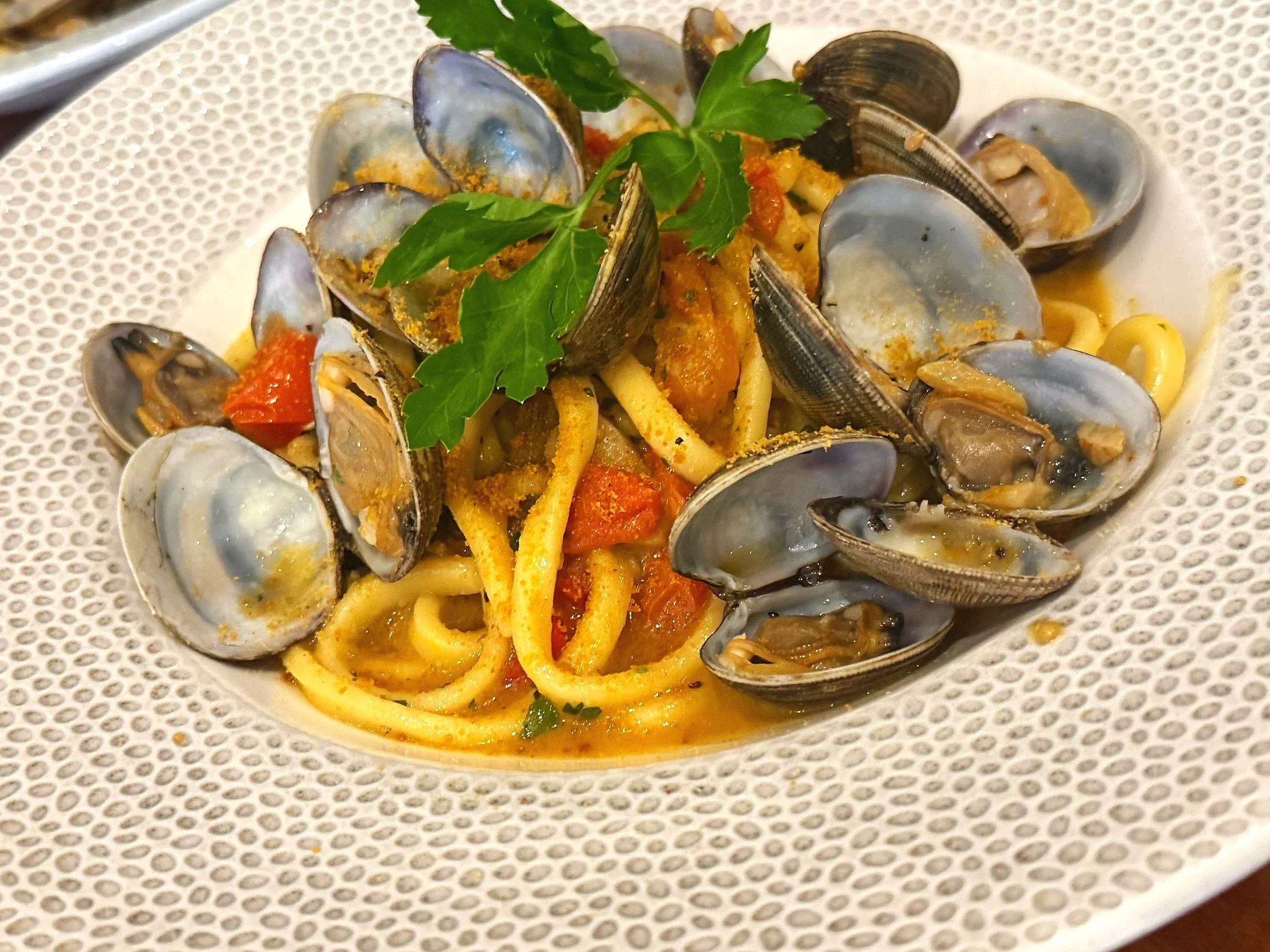
For pasta, scialatielli mare e monti — fresh pasta with clams, cherry tomatoes, porcini mushrooms and bottarga, bringing together sea and countryside.
From the coast, spigola and orata all’acqua pazza, gently cooked with tomatoes, olives, capers and white wine — a classic way of preparing fish in Campania.
For meat, a slow-cooked mix of pork and beef, served with friarielli — a typical Neapolitan green, slightly bitter and full of flavour.
Our pizza reflects the region too — buffalo mozzarella, porcini and Parma ham, simple and generous.
To finish, one of the most iconic desserts of Naples: babà al rum, soft, soaked, and served with custard and amarena cherries.
Lazio
STAGE 12: 9th April 2026
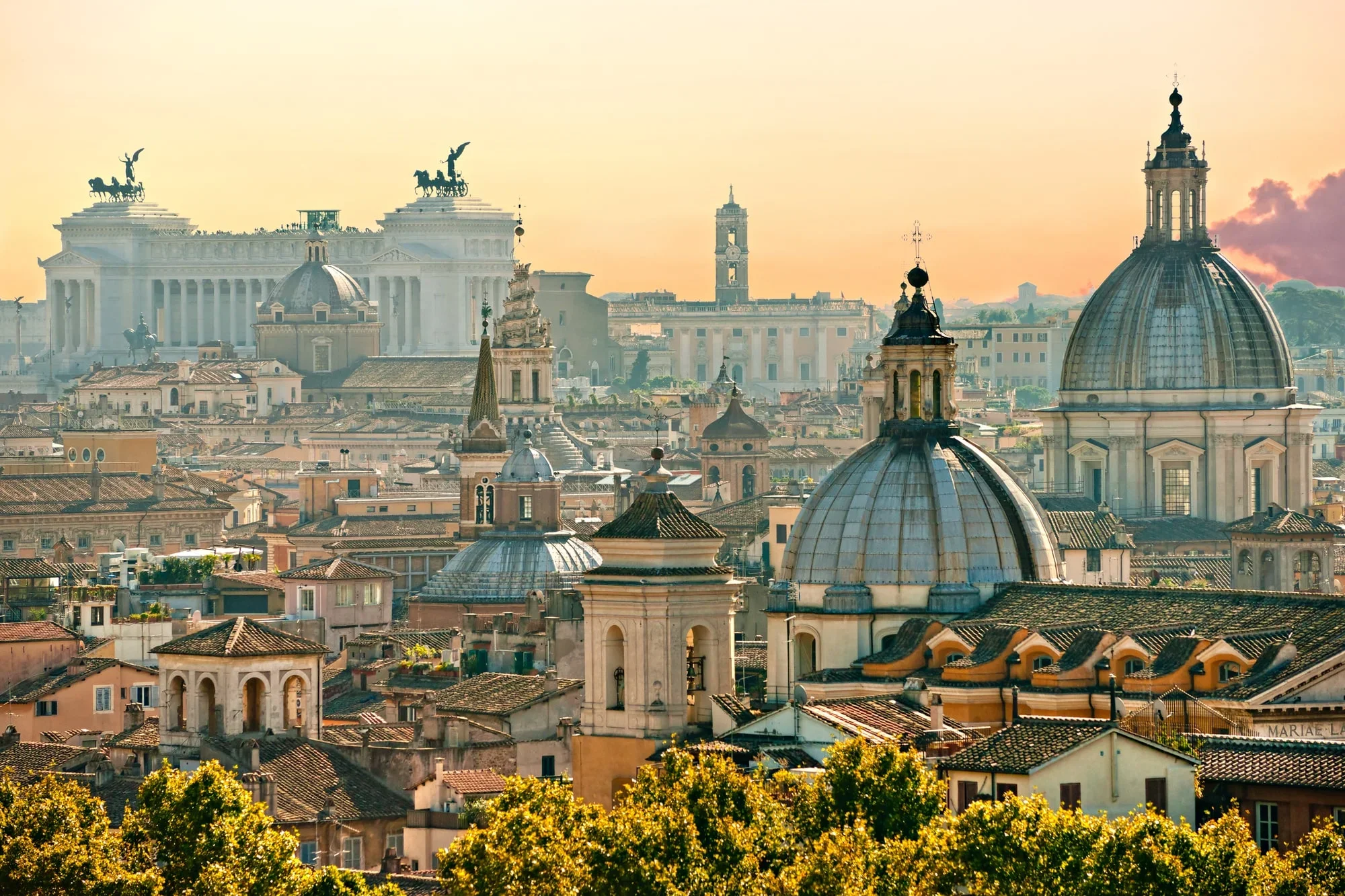
For Stage 12 of our Giro d’Italia, we arrive in Lazio, the region of Rome — where some of Italy’s most iconic dishes were born.
Lazio cuisine is direct, bold, and full of character.
It’s not about many ingredients — it’s about using a few, properly.
This is the land of guanciale, pecorino romano, artichokes and simple pasta dishes that have become famous all over the world.
The cooking reflects everyday Roman life — fast, practical, but always full of flavour.
Our menu for this stage brings those traditions to the table.
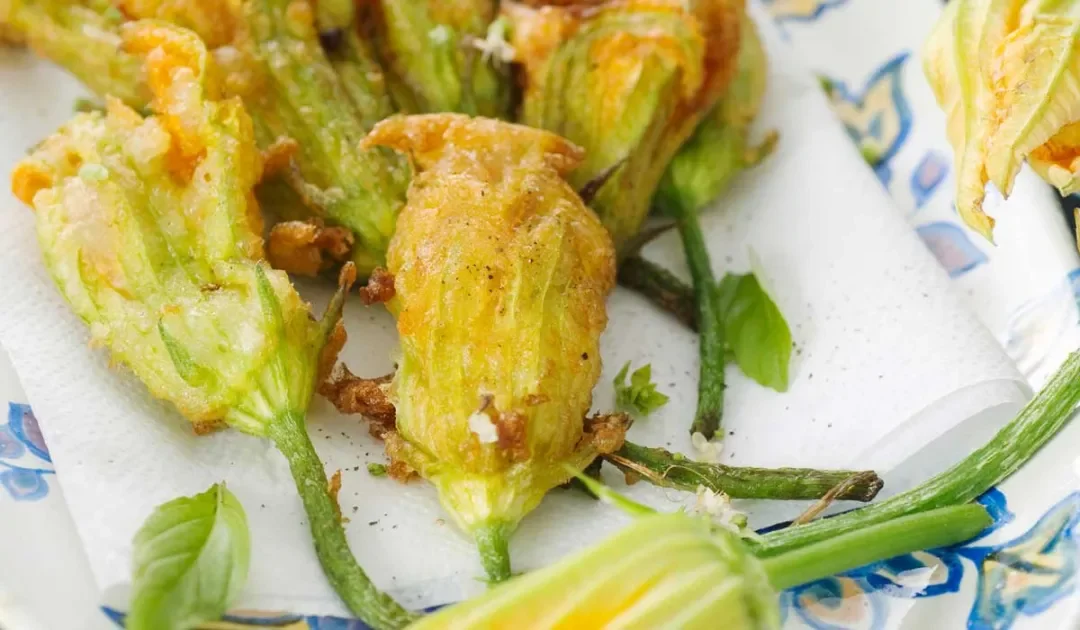
We begin with fiori di zucchine alla romana — courgette flowers filled with cheese and anchovies, fried until crisp and served with a pepper sauce.
For pasta, a true Roman classic: bucatini all’amatriciana, with tomato, guanciale and pecorino romano — simple and unmistakable.
From the sea, fried cod morsels, light and crisp, served with saffron mayonnaise.
For the main course, coda alla vaccinara, a traditional slow-cooked oxtail dish, rich and deeply flavoured, prepared with tomato, celery, pine nuts and a touch of cacao.
Our pizza reflects Lazio flavours as well — mozzarella, grilled artichokes, mortadella, burrata and pistachios.
To finish, crostata di ricotta alla romana, a classic dessert with ricotta, raisins, pine nuts and citrus notes.
The wines come from Lazio too.
Sodale Merlot (Cotarella) — smooth, structured and full-bodied, with notes of red fruit and spice.
Frascati Superiore Riserva DOC — fresh, aromatic and mineral, a perfect match for Roman dishes.
Stage 12 is Rome on the plate —
simple ingredients, bold flavour, and food that speaks for itself.
Available for one week only.
Abruzzo
STAGE 11: 26th March 2026
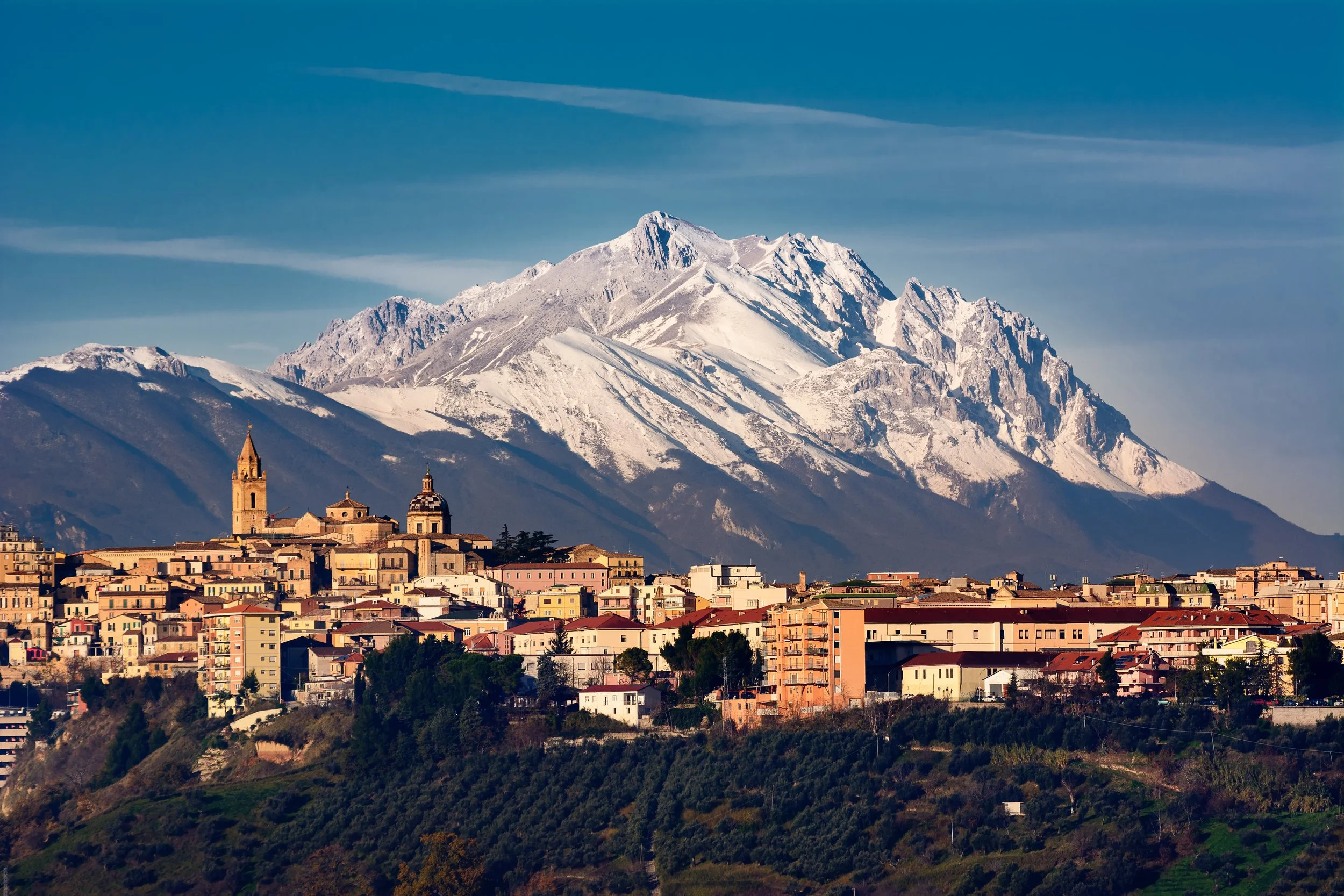
For Stage 11 of our Giro d’Italia, we arrive in Abruzzo — a region often described as one of Italy’s most authentic.
Stretching from the Apennine mountains down to the Adriatic Sea, Abruzzo is a place where nature still shapes the way people cook. Much of the region is protected land, and its traditions come from farming, shepherding, and simple, seasonal living.
Food here is direct and full of character.
Nothing is overworked, nothing is overly refined — just strong ingredients, cooked properly.
One of the most iconic elements of Abruzzese cuisine is cooking over fire.
Arrosticini, small skewers of lamb grilled on charcoal, come from a long shepherd tradition and are still one of the most loved dishes in the region.
Pasta also plays an important role, especially maccheroni alla chitarra, named after the wooden tool with metal strings used to cut the dough. This gives the pasta its distinctive square shape and rough texture, perfect for holding rich sauces.
Abruzzo is also known for its use of bold flavours — garlic, chilli, herbs — and for combining land and sea naturally. While the mountains bring meats, legumes and cheeses, the coastline offers fresh fish and simple seafood stews.
Even desserts follow the same idea: simple ingredients, made well, often based on eggs, milk and sugar.
The wines of Abruzzo reflect this character.
Montepulciano d’Abruzzo is one of Italy’s most recognised reds — structured, generous, and made to pair with hearty dishes.
Alongside it, Pecorino (the grape, not the cheese) produces fresh, aromatic white wines with a slightly herbal and mineral profile.
Toscana
STAGE 10: 19th March 2026
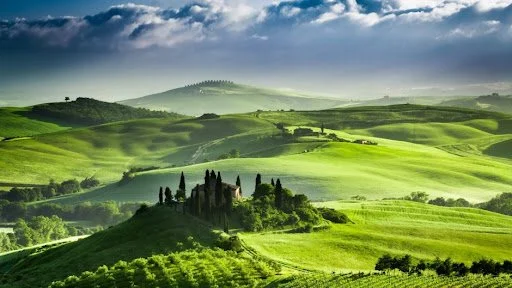
For Stage 10 of our Giro d’Italia, we arrive in Tuscany — one of Italy’s most iconic regions, where food, wine and landscape are deeply connected.
Tuscany is about simplicity done properly.
Good ingredients, minimal intervention, and recipes that have been part of everyday life for generations.
The cuisine moves naturally between countryside and coast — from game and slow-cooked meats to fresh seafood and rustic pasta.
This week’s menu reflects that balance.
We begin with a bruschettone al pomodoro with tuna tartare, served with rocket, avocado and bottarga — fresh, clean flavours with a coastal touch.
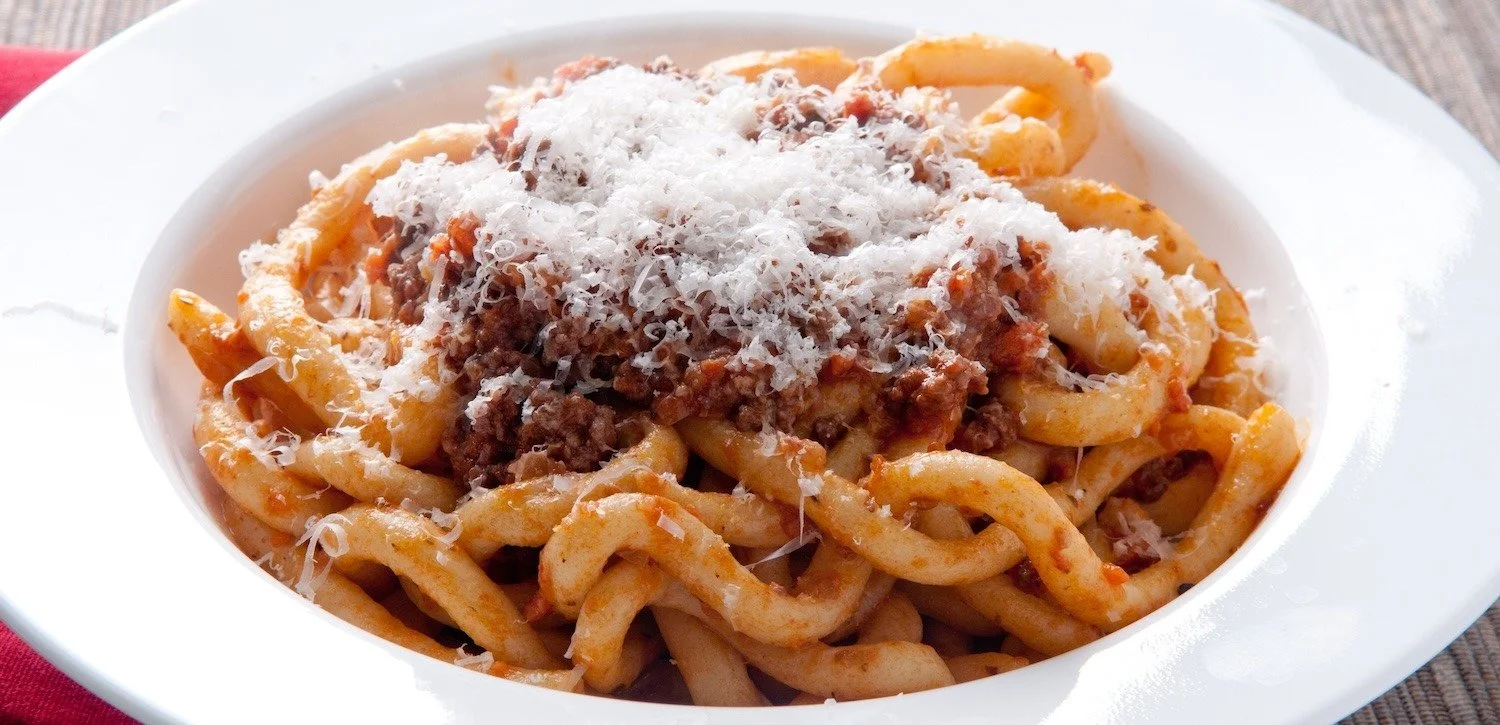
For pasta, pici with venison ragù, a traditional hand-rolled Tuscan pasta paired with rich, slow-cooked game and finished with pecorino.
From the coast, orata alla livornese, seabream cooked with tomato, garlic, capers and olives, served on a smooth potato cream.
For meat, stewed venison from the Casentino area, slowly cooked with red wine and a touch of tomato — deep, rustic and comforting.
Our pizza reflects Tuscan flavours too — mozzarella, fennel salami, pecorino and a touch of honey.
To finish, torta di semolino al cioccolato, served with pistachio sauce.
This week’s wines come from Tuscany.
Il Bruciato — Tenuta Guado al Tasso (Bolgheri DOC) is a blend of Cabernet Sauvignon, Merlot and Syrah, offering ripe red fruit, spice and a smooth, structured finish.
Alongside it, Vernaccia di San Gimignano (Teruzzi Isola Bianca 2024) — fresh, mineral and elegant, with crisp acidity and a characteristic almond finish.
Umbria
STAGE 9: 12th March 2026
For Stage 9 of our Giro d’Italia, we arrive in Umbria, often called the green heart of Italy.
Unlike many Italian regions, Umbria has no coastline. Its cuisine comes from the forests, hills and countryside — rich with game, legumes, olive oil and simple ingredients cooked slowly and properly.
The region is famous for wild boar, pork products from Norcia, pecorino cheeses and rustic pasta dishes, often paired with structured red wines from Montefalco.
Our menu for this stage reflects those traditions.
We begin with a classic Antipasto Umbro Norcineria, a generous selection of Umbrian cured meats, olives and cheeses served with fresh rocket.
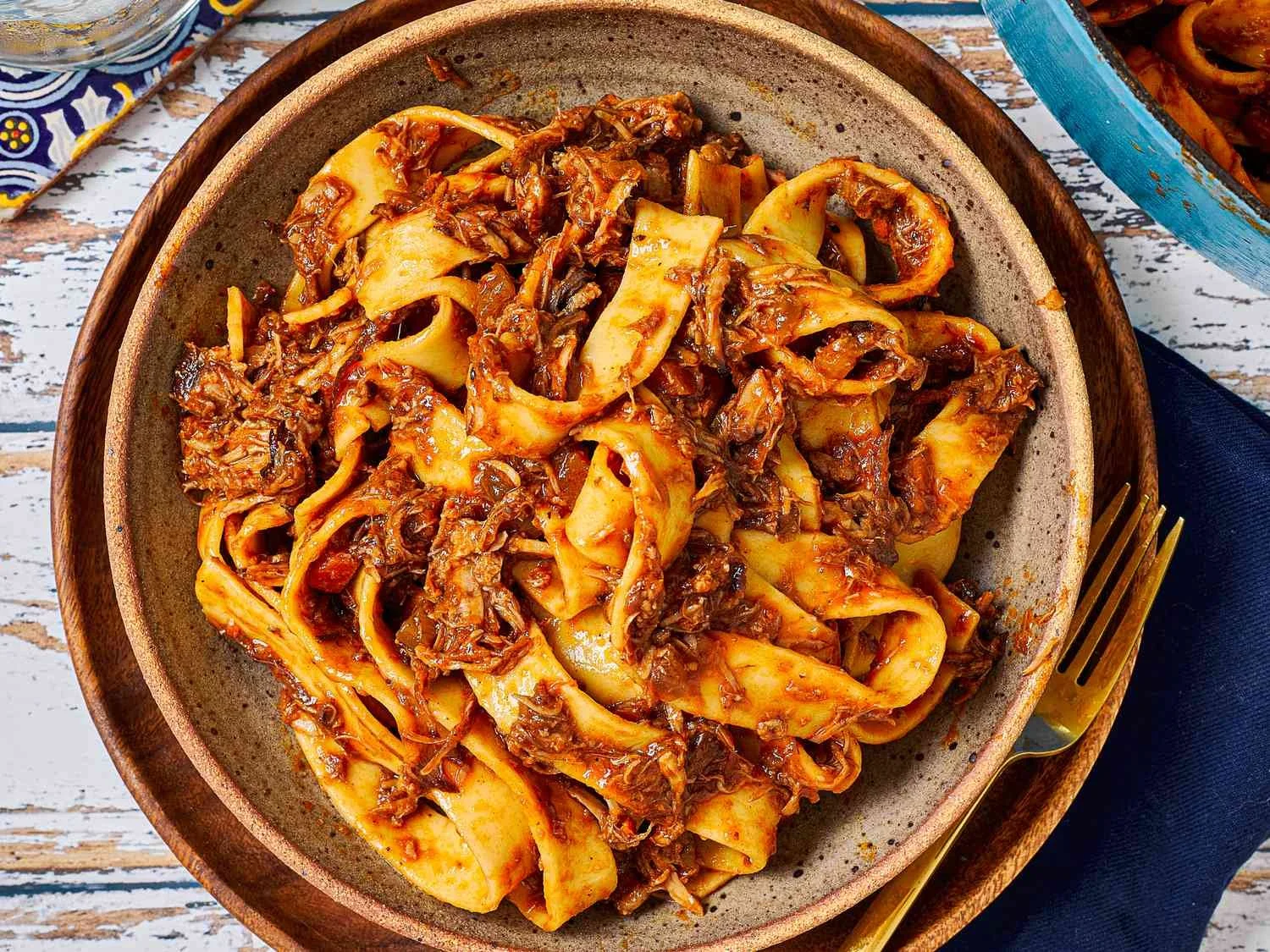
Fresh pasta follows with pappardelle alle rape served with wild boar ragù, finished with shavings of spicy pecorino.
From the rivers and lakes of the region comes trout fillets wrapped in prosciutto with aromatic herbs, served with garlic and chilli spinach.
For the main course, Cinghiale in salmì — a slow-cooked wild boar stew marinated in red wine and herbs, prepared with black olives, chicken livers and sausage, served over Umbrian lentils.
To finish, Zuppa Inglese, a traditional Italian dessert layered with vanilla and chocolate pastry cream, sponge cake and amarena cherry flavours.
The wines this week come from Umbria as well.
Romanelli Capo de Casa Montefalco Rosso 2020 is a blend of Sangiovese, Sagrantino and Merlot, offering bright red fruit with hints of spice and balsamic notes.
Alongside it, Conte della Vipera from Castello della Sala, a Sauvignon Blanc and Semillon blend with fresh citrus and mineral notes that pair beautifully with seafood and lighter dishes.
Stage 9 celebrates the rustic and generous cooking of Umbria — dishes shaped by forests, farms and tradition.
Emilia- Romagna
STAGE 8: 6th March 2026
For this stage of our Giro d’Italia, we arrive in Emilia-Romagna, often called the gastronomic heart of Italy.
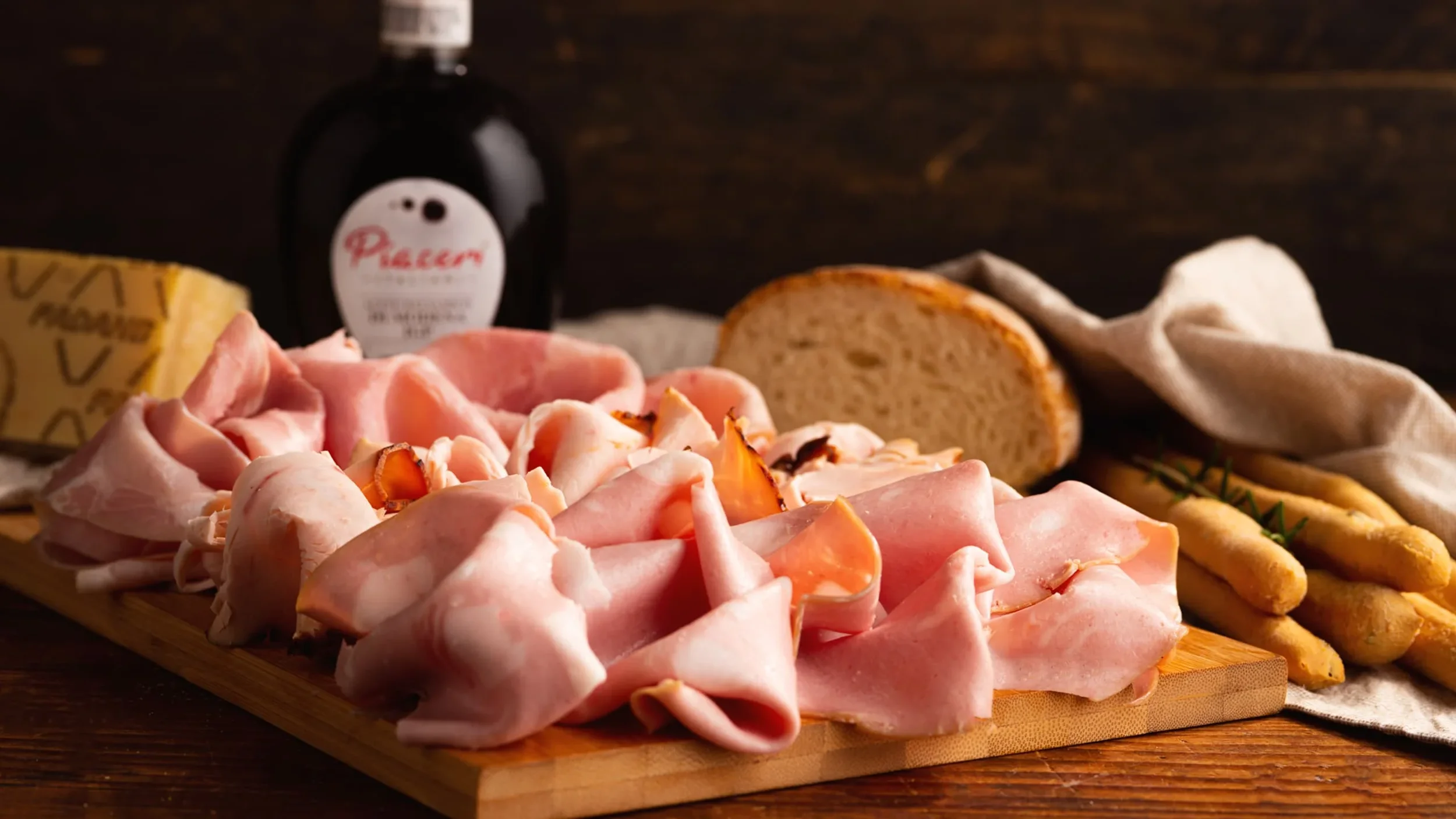
This is the land of Bologna, Parma and Modena — places where food traditions run deep and recipes are passed down through generations. The cuisine here is rich, generous and built around some of Italy’s most celebrated ingredients: Parmigiano Reggiano, mortadella, fresh egg pasta and slow-cooked ragù.
Our menu for this stage brings together a few of those classics.
We begin with Mortadella Bologna in doppia consistenza — served both thinly sliced with grilled artichokes and Parmigiano Reggiano, and as a delicate mousse with a crisp Parmigiano wafer and pistachios.
Fresh pasta follows with spinach tagliatelle served with classic ragù alla bolognese, made with beef and pancetta and finished with shavings of Parmigiano Reggiano DOP.
From the Romagna coast comes Zuppa di pesce alla Romagnola, a rich fish stew prepared with a variety of seafood in a slow-simmered tomato sauce and served with toasted bread.
For the main course, Cotoletta alla Bolognese — breaded veal topped with prosciutto crudo and melted Parmigiano, finished with a touch of beef broth for extra tenderness.
And to finish, Torta Barozzi, a traditional flourless chocolate cake with almonds and coffee, served warm with strawberry ice cream.
This stage celebrates the generous cooking of Emilia-Romagna — dishes that are comforting, deeply flavourful, and made to be enjoyed slowly around the table.
Available for one week only as part of our regional journey.
Liguria
STAGE 7: 26th February 2026
For this stage of our Tour of Italy, we travel to Liguria — a narrow strip of land between mountains and the sea.
Here, the cuisine is shaped by the coastline. The flavours are fresh, aromatic, and uncomplicated. Olive oil replaces butter. Herbs replace heavy sauces. Simplicity is everything.
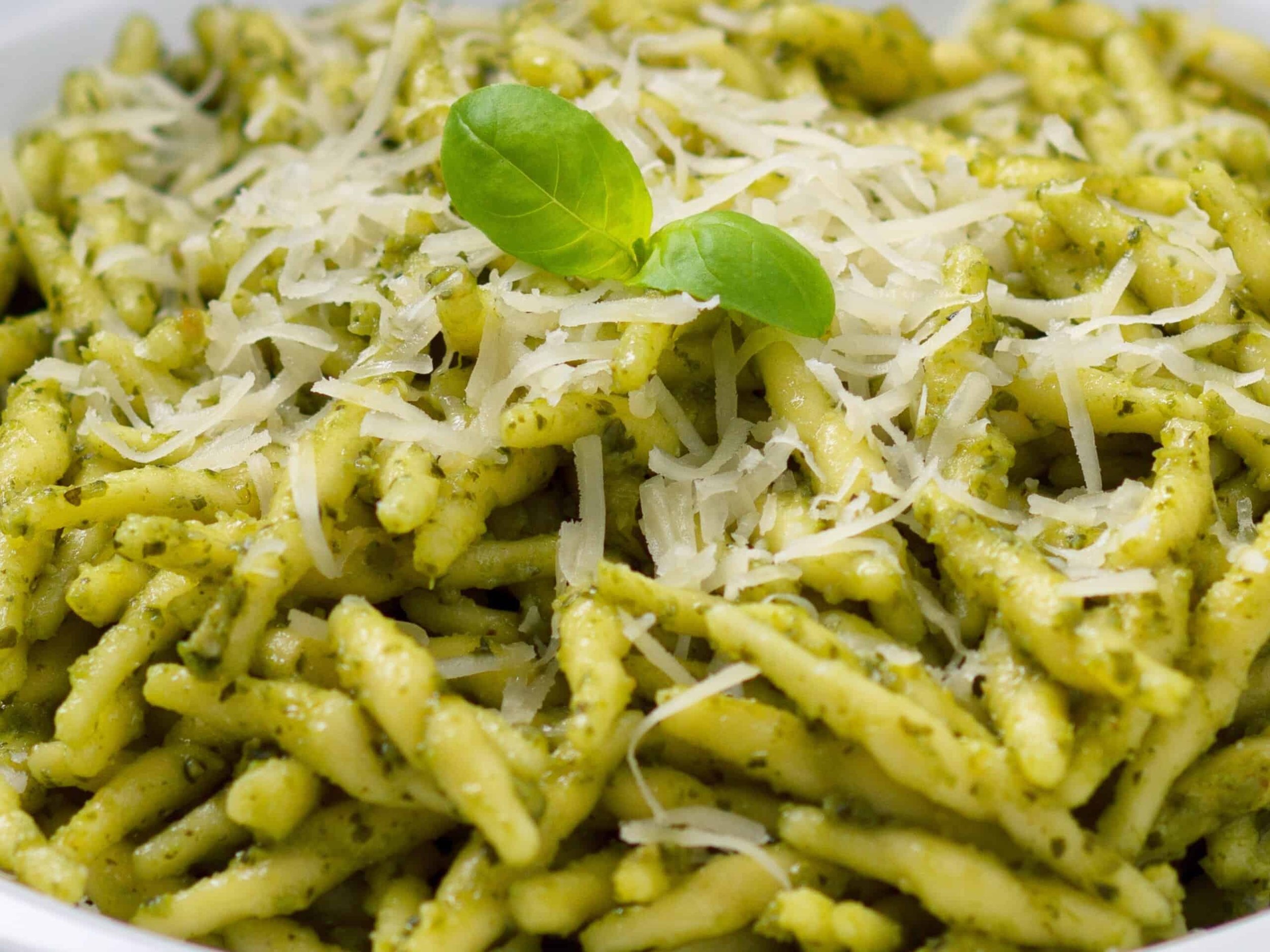
Liguria is the home of pesto, made properly with fresh basil, pine nuts and Parmigiano. It’s a region of focaccia, seafood, light pasta dishes and vegetables cooked gently with olive oil and garlic.
The food reflects daily life by the sea — practical, seasonal, and never overworked.
This week’s menu celebrates those flavours: coastal seafood, handmade pasta, fragrant herbs and dishes that feel fresh but still comforting.
Wines from Liguria follow the same philosophy — clean whites that pair beautifully with seafood and herbal dishes, designed to support the food rather than dominate it.
Stage 7 is about clarity, freshness, and cooking that lets the ingredients speak.
Available for one week only.
Marche
STAGE 6: 19th February 2026
For Stage 6 of our Tour of Italy, we travel to Marche — a region Italians love, but many outside Italy don’t know enough about.
Le Marche stretches from the Apennine mountains down to the Adriatic Sea. Because of this, the cuisine naturally blends land and sea — meat, seafood, pasta, and slow-cooked traditions all living comfortably on the same table.
It’s not flashy cooking.
It’s regional, generous, and deeply rooted in family recipes.
This stage brings together some of the most typical dishes of the area:
Soutè di frutti di mare — fresh shellfish sautéed in white wine, reflecting the Adriatic coast
Vincisgrassi alla Marchigiana — the region’s iconic baked pasta, richer and deeper than classic lasagna
Capesante alla Marchigiana — scallops cooked with celery, carrot, pancetta and tomato
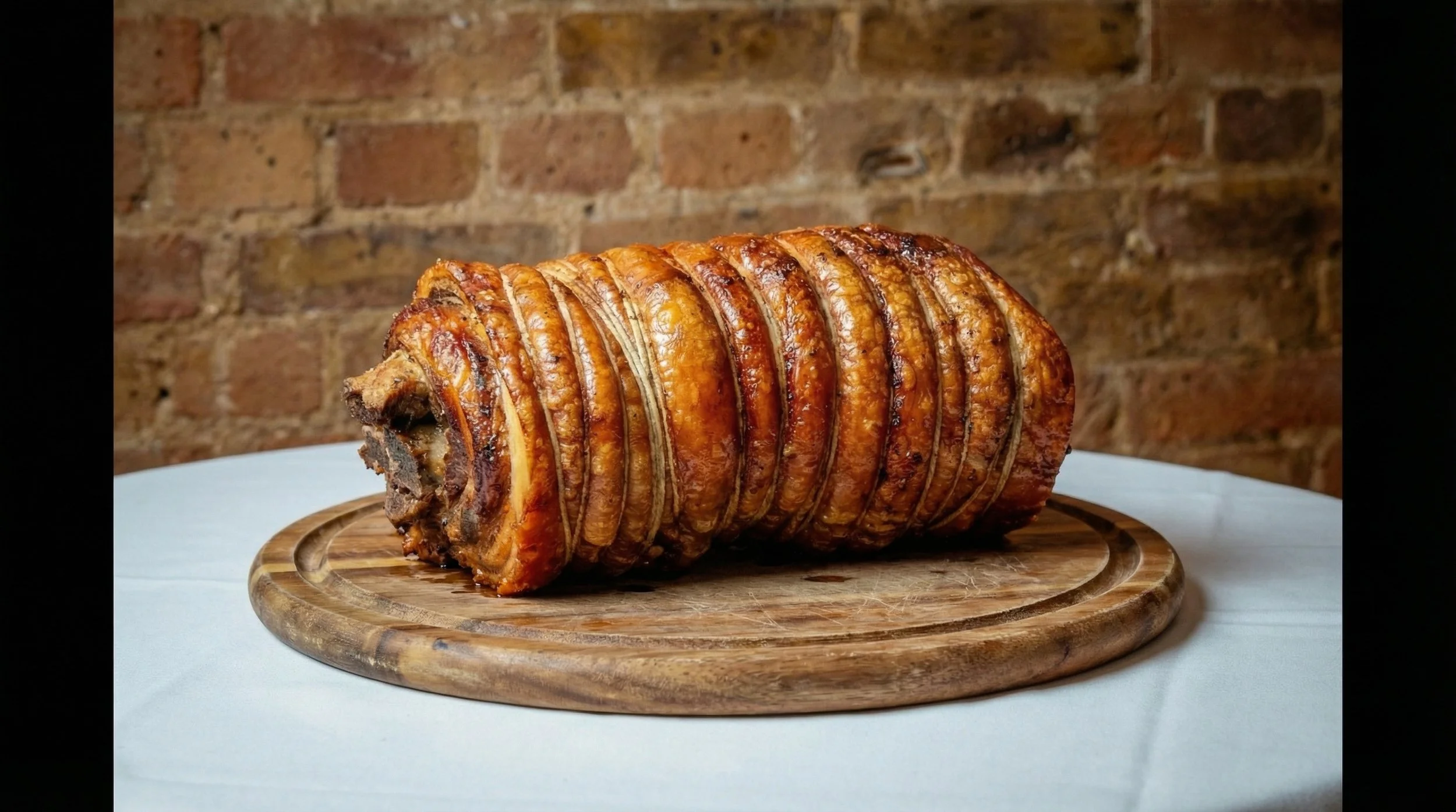
Porchetta aromatizzata — herb-roasted pork with pecorino fondue and cavolo nero
Pizza porchetta e patate — a simple, rustic favourite
Torta Rostrengo — a traditional warm cake served with vanilla ice cream
The wines of Le Marche are just as important.
The region is known for crisp whites like Verdicchio that pair beautifully with seafood, and structured reds that complement porchetta and baked pasta.
This stage is about contrast — sea and countryside, simplicity and richness — exactly how people eat in Le Marche.
Available for one week only as part of our regional journey.
Friuli–Venezia Giulia
STAGE 5: 5th February 2026
Friuli–Venezia Giulia sits at the crossroads of cultures.
Bordering Austria and Slovenia, it’s a place where Italian traditions naturally blend with Central European influences — and the food reflects that mix.
The cuisine here is shaped by mountains, plains, and the nearby sea.
You’ll find dishes that feel Italian at heart, but with flavours and techniques that hint at neighbouring countries: more butter than olive oil, gentle use of herbs, clean flavours, and a strong connection to seasonal produce.
This balance is what defines Friuli cooking.
Nothing heavy, nothing complicated — just food made to be eaten often and enjoyed slowly.
Our menu for this stage brings together some of the region’s most typical elements:
White asparagus, a local favourite, paired with speck and goat cheese
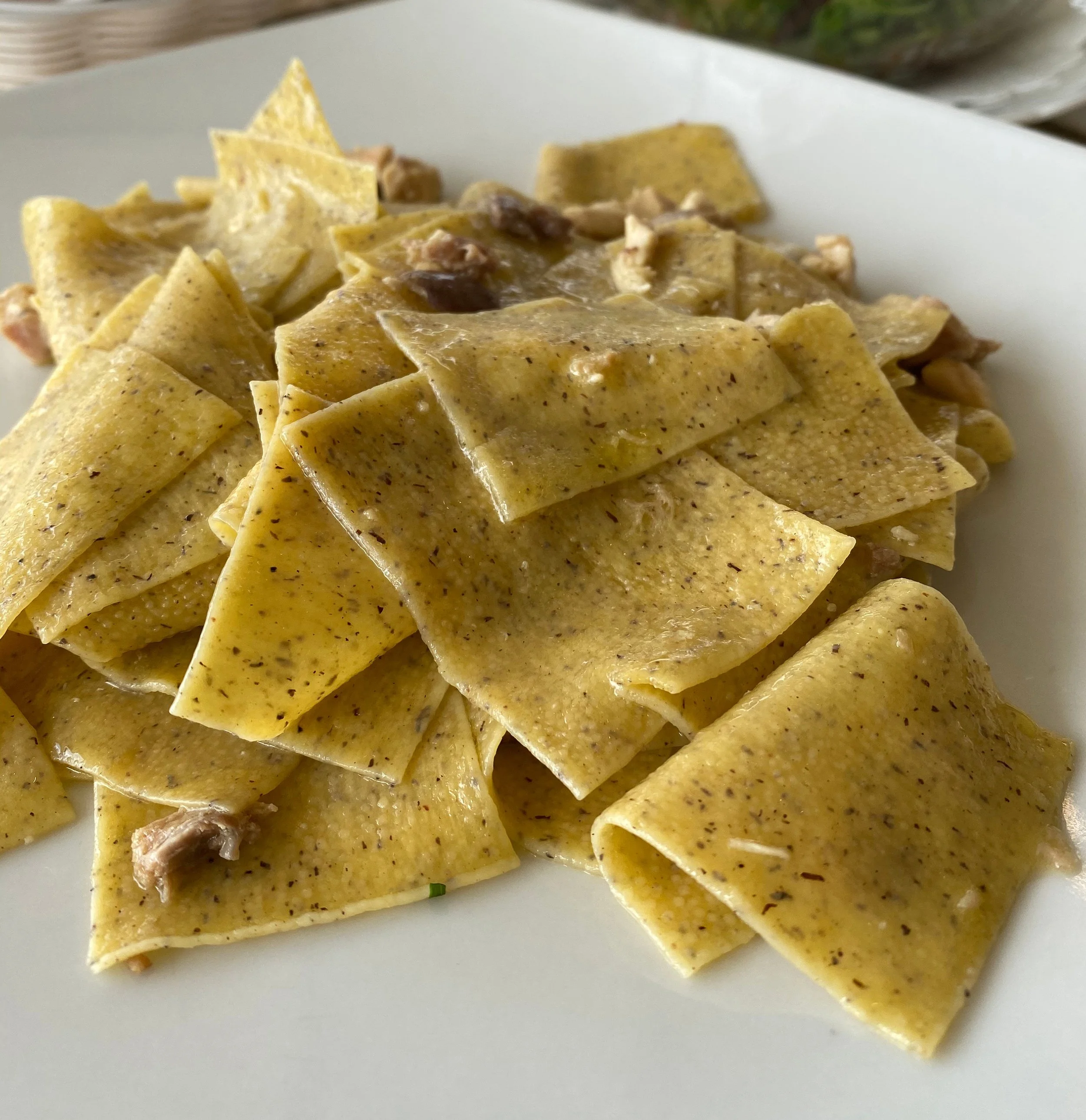
Blecs, the region’s traditional pasta, served simply with butter, sage, and prawns
Freshwater fish, cooked gently with vegetables and white wine
Slow-cooked meats, like rabbit, served with polenta — a staple of the area
And Palacinta, a crepe-style dessert that reflects the region’s Central European roots
Wine plays an important role in Friuli–Venezia Giulia.
The region is known for fresh, elegant white wines that work perfectly with vegetables, fish, and lighter sauces — wines made to support the food, not overpower it.
This stage of our Tour of Italy is about balance and blending —
Italian food, influenced by its neighbours, shaped by its landscape, and cooked the way people actually eat it there.
Available for a limited time as part of our weekly regional specials.
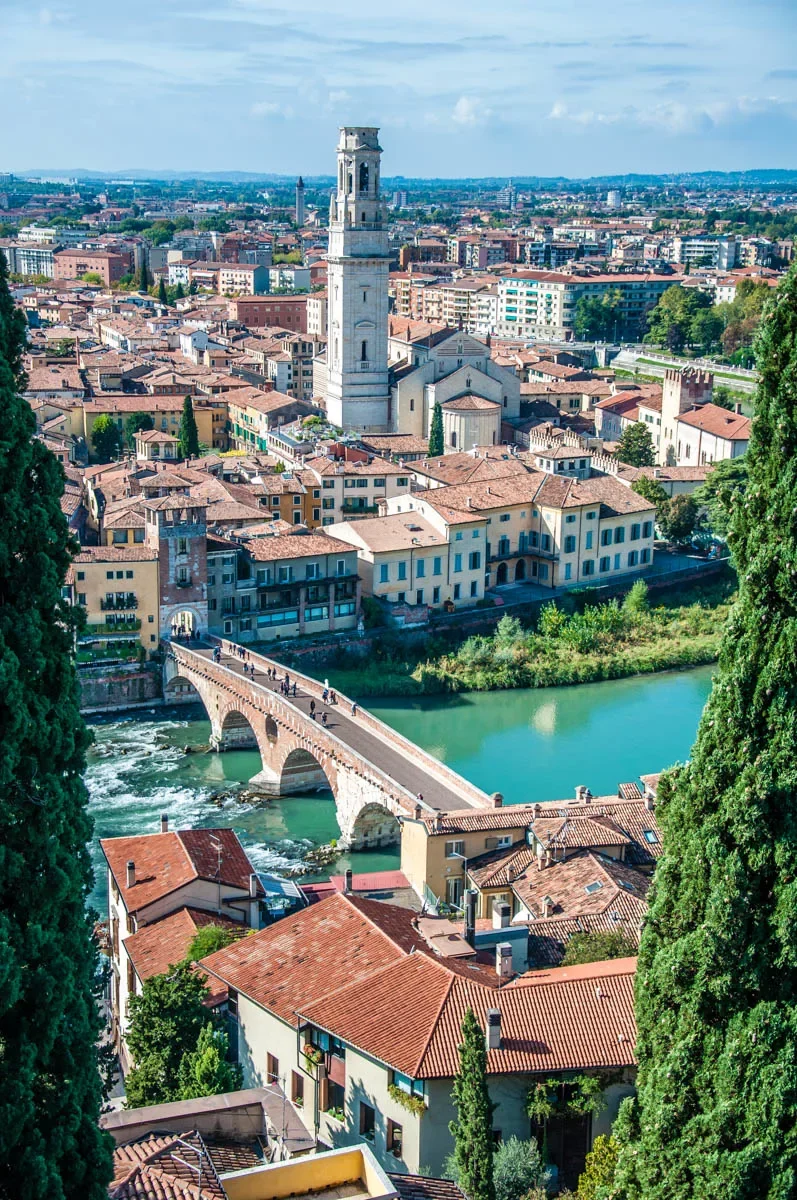
Veneto
STAGE 4: 29th JANUARY 2026
Veneto is all about balance.
It sits between the mountains and the sea, and you really taste that in the food. Nothing is too heavy, nothing is too much — it’s simple, well-measured, and full of flavour.
Veneto is famous for rice dishes, especially risotto, but cooked lighter than in Lombardy. You’ll find seafood from the Adriatic, freshwater fish from rivers and lagoons, and lots of seasonal vegetables.
There’s also polenta everywhere — soft, grilled, or baked — served with meat, fish, or vegetables, depending on the season.
The food here is practical.
Made to be eaten every day.
Veneto cooking doesn’t try to impress.
It’s about good ingredients, cooked well, and shared at the table with a glass of wine.
Easy, comforting, and very Italian — the kind of food you never get tired of eating 🇮🇹
Piedmont Langhe
STAGE 3: 23d JANUARY 2026
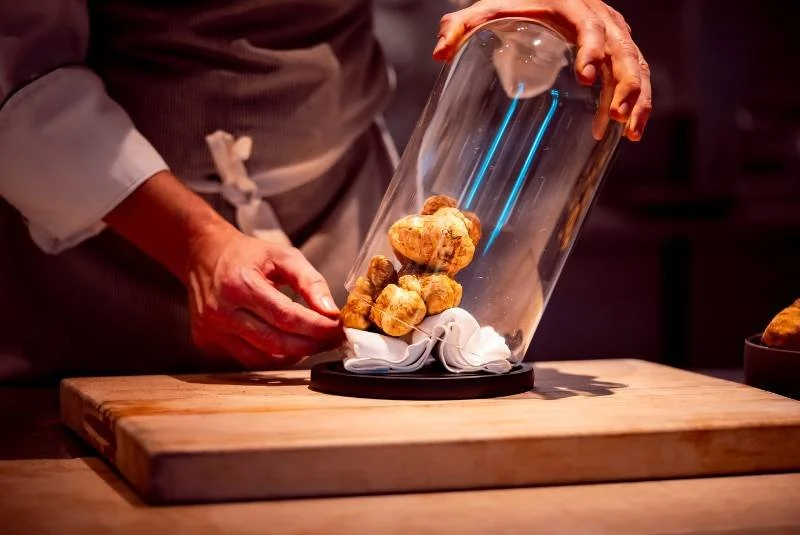
Nestled among rolling hills and historic vineyards, Piedmont and the Langhe region are considered one of Italy’s greatest gastronomic treasures. This is the home of Barolo and Barbaresco, white truffles, hazelnuts, and a cuisine defined by elegance, depth, and seasonality.
The local cooking reflects the land: rich meats slowly braised in noble wines, handmade fresh pasta finished simply with butter and Parmigiano, delicate veal dishes paired with creamy sauces, and recipes where mushrooms, herbs, and truffles take centre stage.
From Vitello Tonnato and Agnolotti del Plin, to Brasato al Barolo and refined desserts made with ricotta, Marsala and candied fruits, Piedmontese cuisine balances rustic tradition with aristocratic refinement.
In the Langhe, food and wine are inseparable — every dish is created to honour the vineyard, the season, and the long-standing traditions of one of Italy’s most celebrated regions.
Trentino–Alto Adige
STAGE 2: 16th JANUARY 2026
Trentino–Alto Adige is a region you really feel when you eat it.
It’s up in the mountains, close to Austria, so the food is a little different from what people usually expect from Italy. Less tomato, less olive oil — more butter, cheese, bread, and slow-cooked comfort.
This is the kind of food made for cold days.
Simple dishes that warm you up and fill you properly.
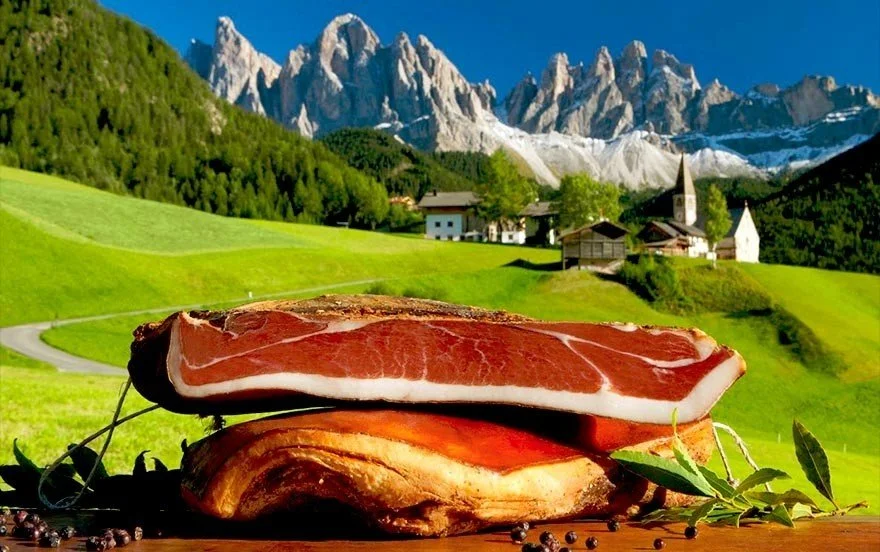
You’ll find things like canederli — soft bread dumplings, often served in broth or with melted butter. Speck, lightly smoked and cured, sliced thin and eaten slowly. Local cheeses, mushrooms, potatoes, and herbs that come straight from the mountains.
Nothing is complicated.
Everything makes sense.
Even desserts are simple — apples are everywhere, especially in strudel, baked just enough, not too sweet.
Trentino–Alto Adige food is about sitting down, taking your time, and eating well without thinking too much about it.
It’s honest food.
The kind you’d happily eat again the next day.
That’s what this week is about 🇮🇹
Lombardy
STAGE 1: 9th JANUARY 2026
Lombardy is where food is rich, comforting, and full of flavour.
It’s home to Milan, but also to countryside cooking that’s been around forever. The dishes here are not light — they’re meant to satisfy you. Butter instead of olive oil, slow cooking, deep sauces, proper portions.
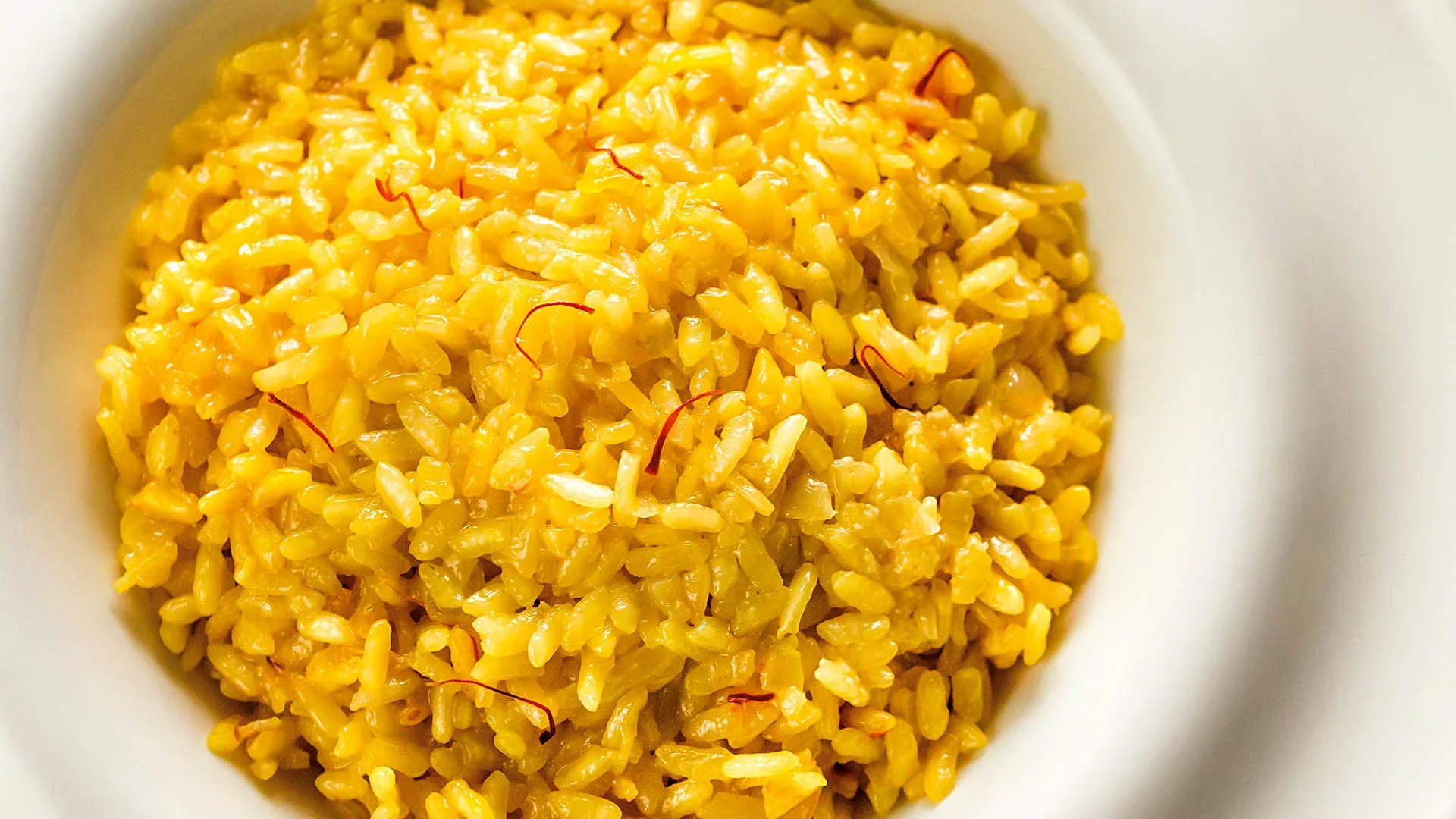
This is the land of risotto, cooked slowly and patiently, stirred until it’s just right. Saffron gives colour and warmth. Osso buco is a perfect example of Lombardy cooking — meat cooked slowly until it’s soft and full of flavour, served the way it has always been.
Cheeses are important here too. Strong, creamy, made to be eaten with bread and shared.
Lombardy food is about taking your time.
You sit, you eat, you talk, you don’t rush.
It’s not about showing off — it’s about cooking things properly and enjoying them together.